
Textile & Apparel: Solving the quality leak at 2,000 units/day
A growing textile unit reduced quality-related rework and fabric loss by digitizing in-line checks and automating correction loops.
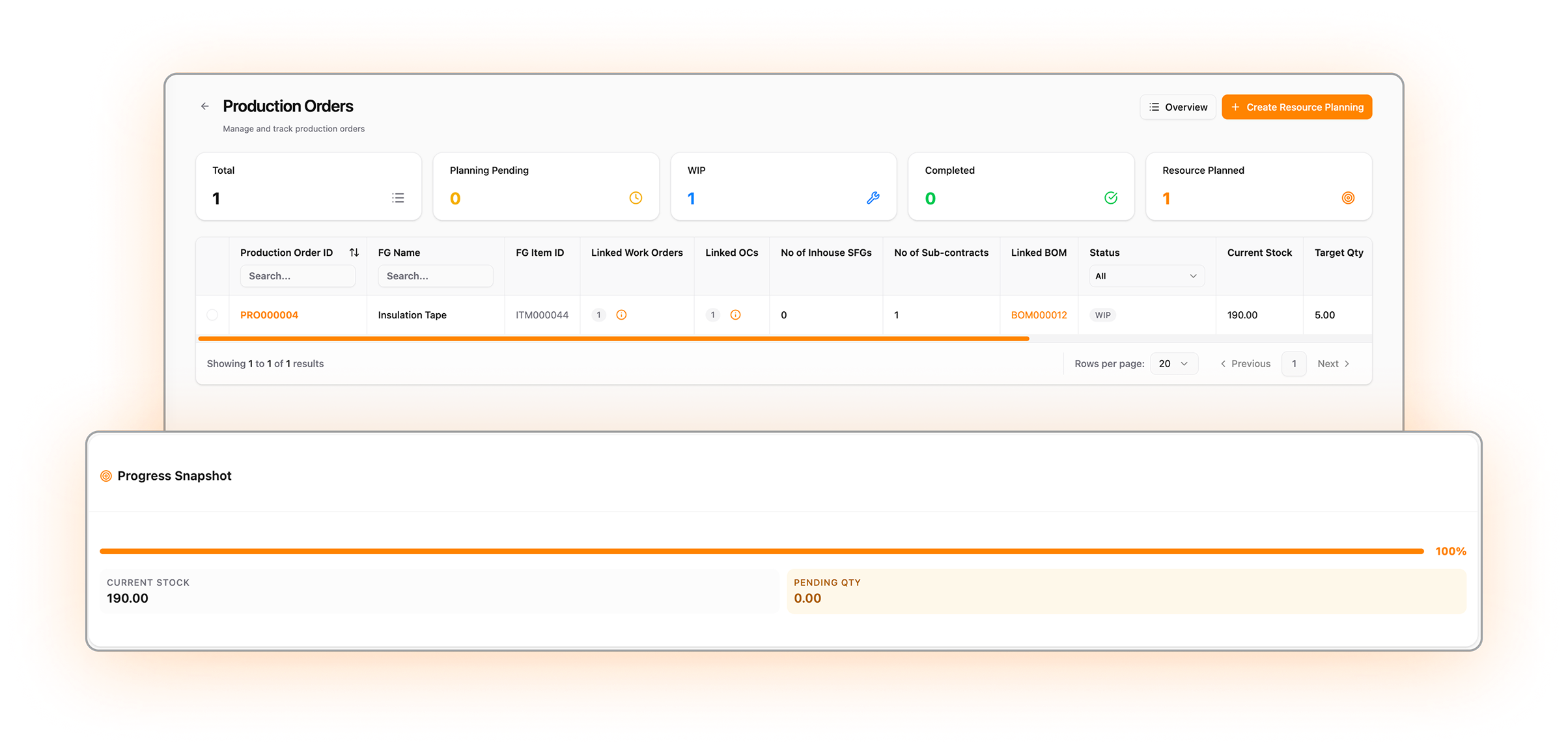
Case study map
From scattered execution to one AI Native OS.
This case study is formatted around the business problem, the connected Optiwise operating layer, and the measurable owner outcome.
2 hrs
daily time saved per role
20%
more team capacity unlocked
1 truth
for job, stock, quality, and dispatch
Before Optiwise
Quality issues were visible only after they became expensive.
A growing textile unit reduced quality-related rework and fabric loss by digitizing in-line checks and automating correction loops.
Connected action
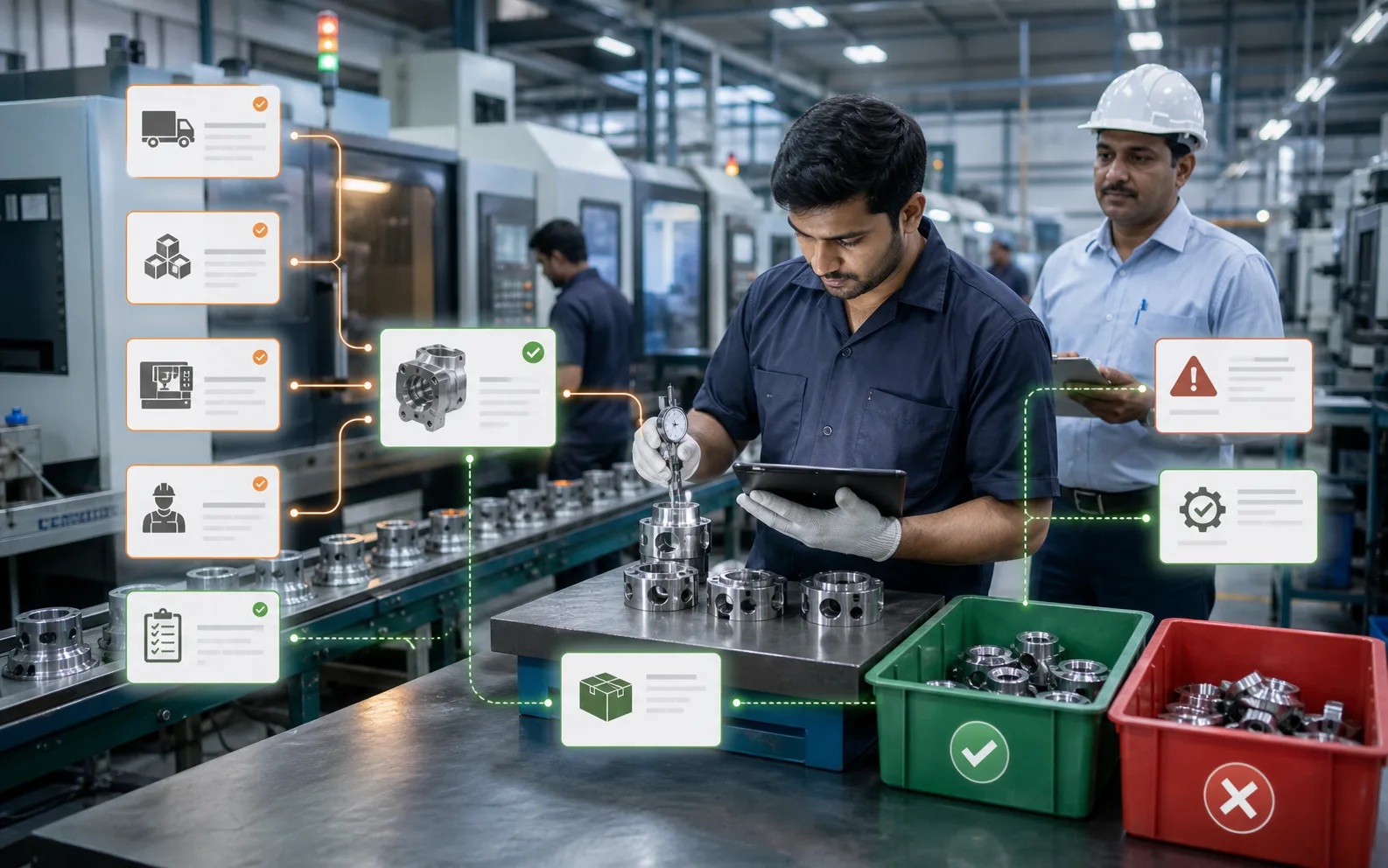
Optiwise connects defects to batch, process, machine, and action.
The case study shows how the same job, material, task, document, and status can move through one live operating layer.

Owner outcome
Owners stop being the middleware for every exception.
Teams get clearer ownership, faster escalation, and more reliable decisions without waiting for one person to connect the dots.
Textile & Apparel | 2,000 units/day and rejection spikes killed margins
A growing textile unit reduced quality-related rework and fabric loss by digitizing in-line checks and automating correction loops.
The Reality
- Quality checks were still recorded on paper at end-of-line.
- Fabric wastage root-cause by machine/operator was invisible.
- Bad vendor batches were discovered only after cutting and stitching.
- Correction orders were managed in fragmented WhatsApp groups.
The Cost
- 400+ rework hours every month.
- Frequent customer claims from random defect spikes.
- Around ₹2 lakh monthly fabric leakage without accountability.
The Fix
Digitize
- Added source-level in-line quality checkpoints.
- Logged defect photos against vendor and batch details.
- Created structured rejection tags for pattern-level analysis.
Optimize
- Ranked vendors by historical rejection ratio.
- Tracked operator output versus rejection in real time.
- Identified high-loss processes by shift and line.
Scale
- Auto-created rework tasks the moment defects were logged.
- Enabled quality-triggered alerting to supervisors and planning.
- Used AI cut-plan recommendations to reduce scrap.
The Result
Before: Rejections were caught late, waste was high, and teams worked in a blame-game loop.
After: Rework dropped by 60%, fabric yield improved by 3%, and quality ownership became proactive.
Digitize what you have. Optimize what you can see. Scale what you have earned.