

Sales, Logistics & Order Management
Outbound Logistics | Optiwise
Learn what outbound logistics means, how it works in manufacturing, and how ERP-connected dispatch planning improves delivery reliability.
25 Jan 20263 min read
Loading Optiwise
A structured blog experience powered by the local AICAN CMS, with rich publishing, search visibility, and editorial control without WordPress.

Filter blog posts
2013 posts available, showing 601-624
Learn what outbound logistics means, how it works in manufacturing, and how ERP-connected dispatch planning improves delivery reliability.
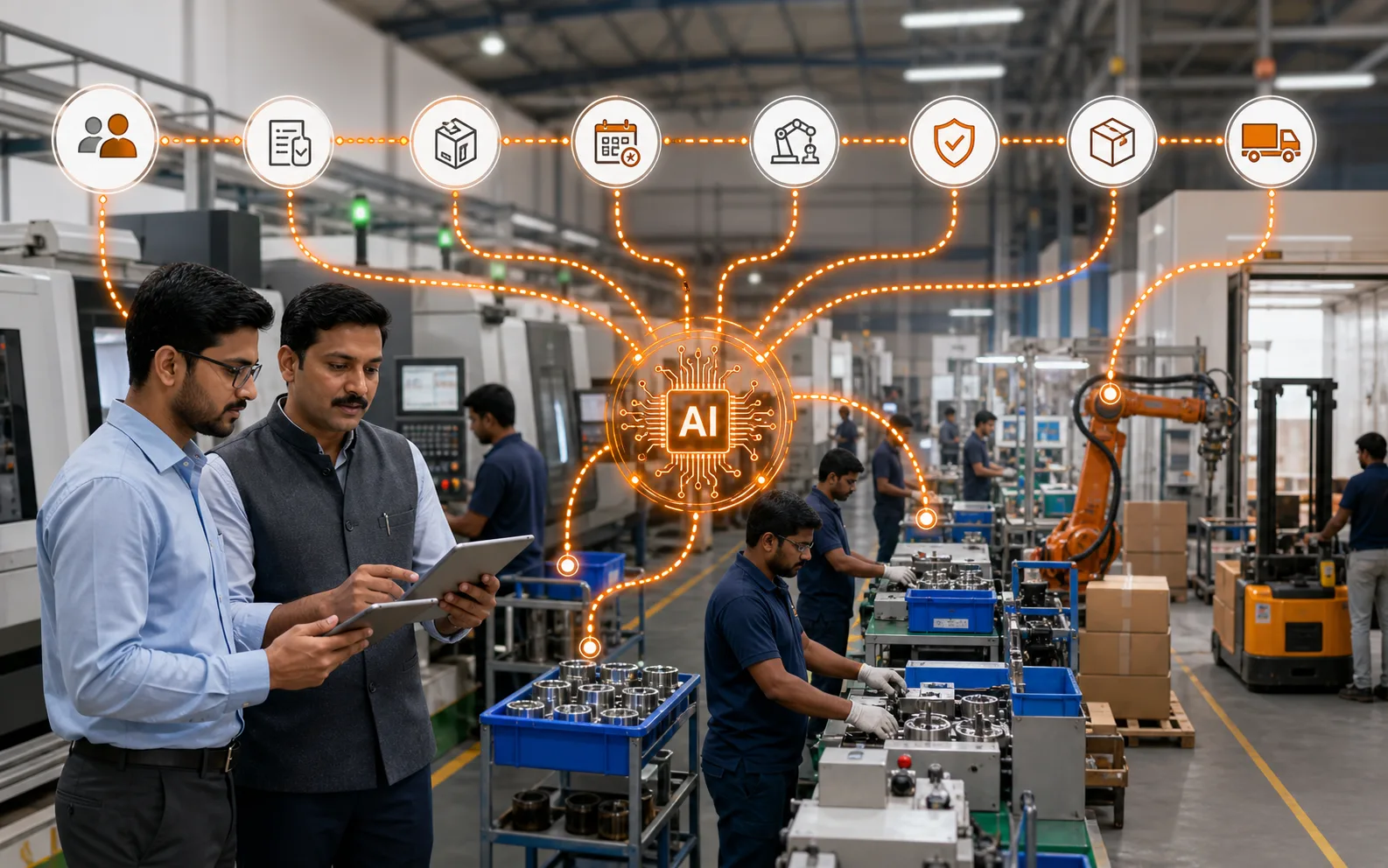
Learn Corporate Performance Management meaning, key metrics, planning and review process, and how AICAN Optiwise helps manufacturing SMEs improve operational performance visibility.
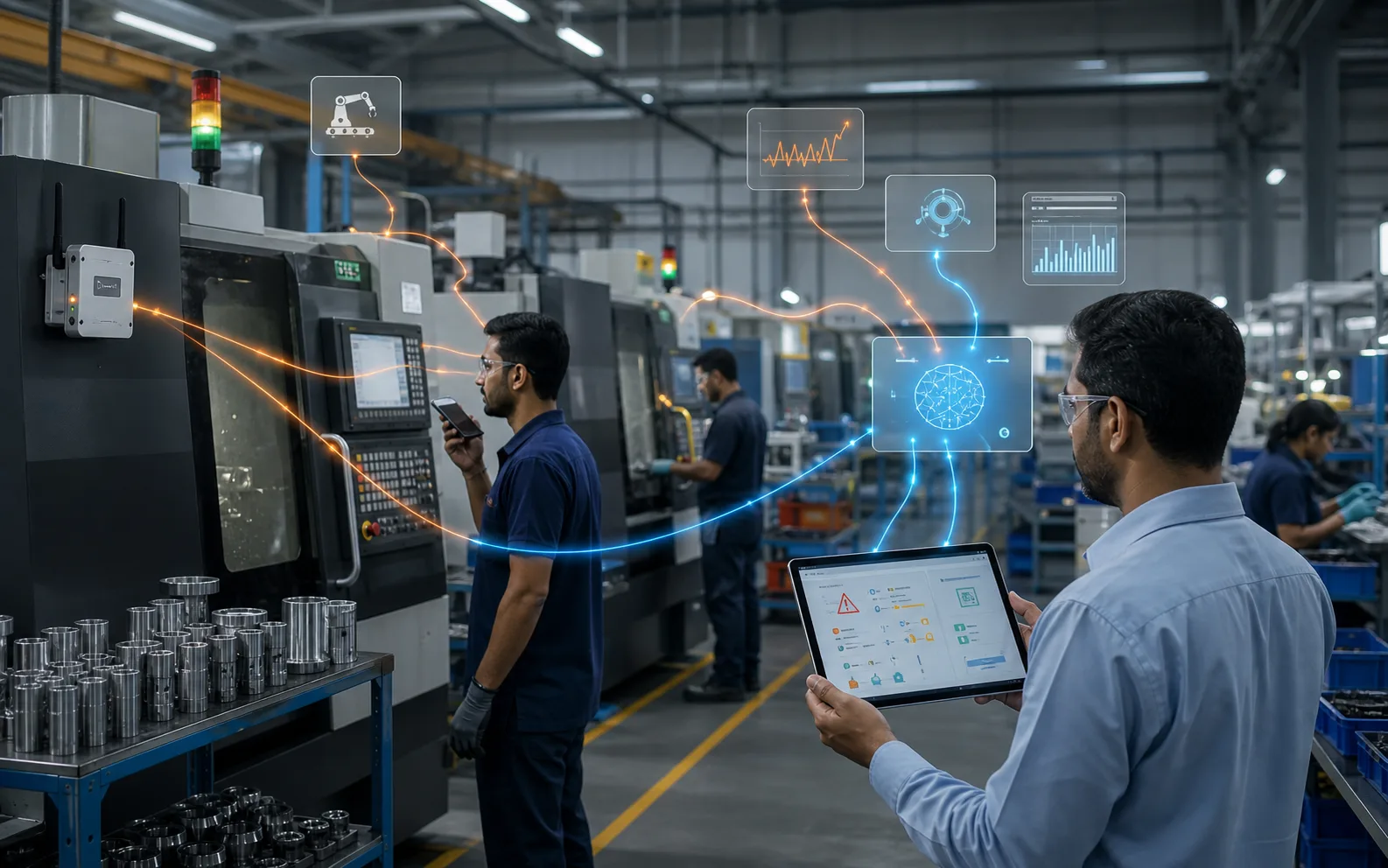
Start AI automation with repetitive, structured, low-risk tasks like follow-ups, summaries, scheduling, reports, data checks, and internal reminders.
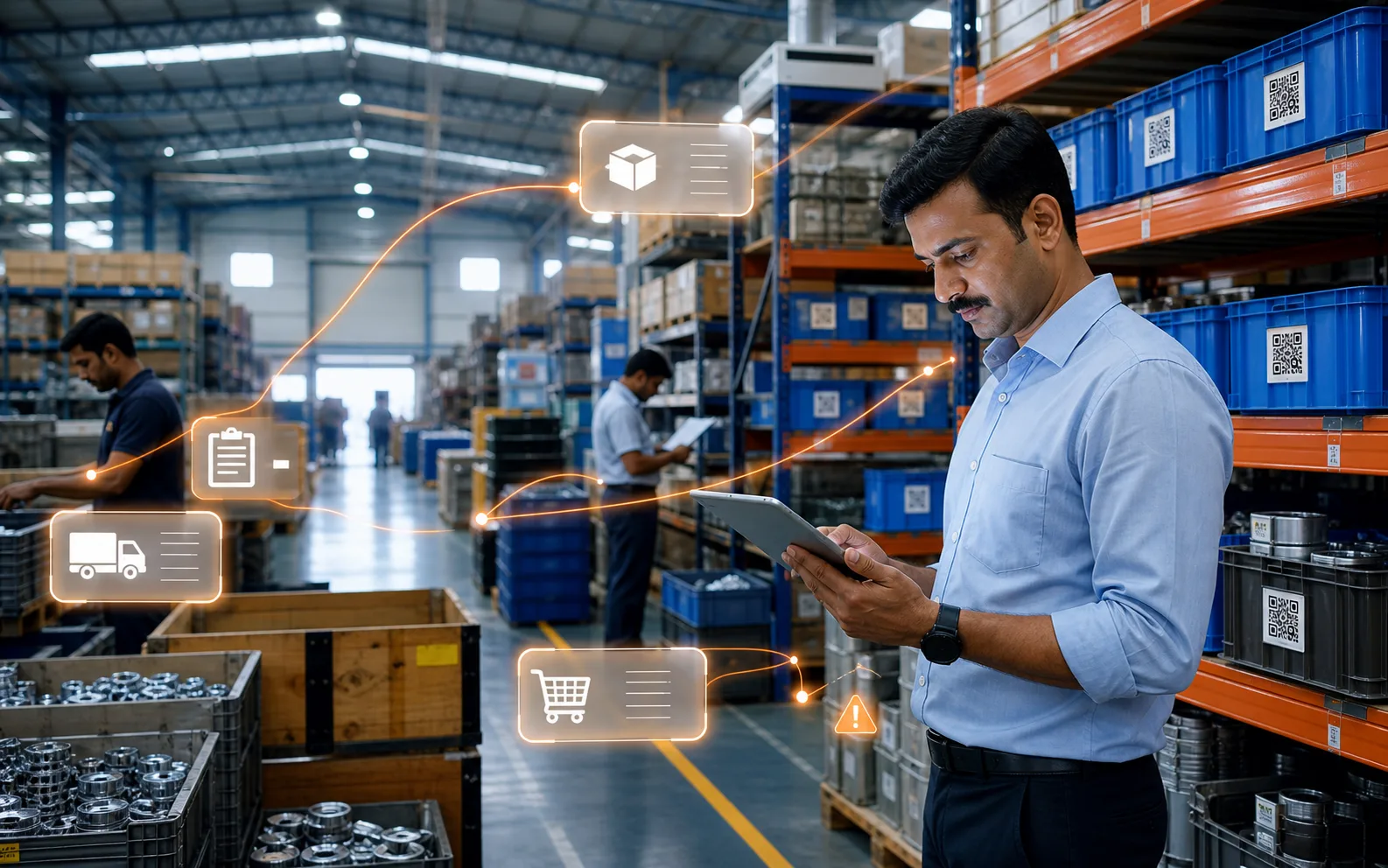
Learn how AI can reduce manufacturing scrap and waste through quality trend analysis, process monitoring, inventory control, rework tracking, and earlier intervention.
Understand the difference between analog and digital sensors, where each is used, and how manufacturers should choose the right sensor output for factory systems.
Learn what production costs include, how manufacturers classify them, and how better operational data improves costing and profitability.
Understand the difference between a purchase order and proforma invoice, who issues each document, when to use them, and how they fit into B2B sales and purchase workflows.
Find out whether your manufacturing business needs ERP by checking signs such as stock mismatch, delayed orders, production confusion, manual reporting, and owner dependency.
How ERP Reduces Manufacturing Errors. Use a worked manufacturing test, exception checks and direct Optiwise workflow evidence before rollout.

Compare ERP and standalone software tools for small businesses, including unified data, flexibility, integration, cost, visibility, and operational control.
Understand the complete inventory management process for manufacturing: planning, purchasing, receiving, storing, issuing, production consumption, dispatch, counting, and improvement.
ERP in Production Planning. Use a worked manufacturing test, exception checks and direct Optiwise workflow evidence before rollout.
Learn practical ERP case-study patterns from similar-sized small businesses and how ERP improves inventory, reporting, customer response, owner dependency, and scalability.
Learn how manufacturers can monitor spindle health using vibration, temperature, load, noise, run hours, maintenance history, tool wear, and predictive alerts.
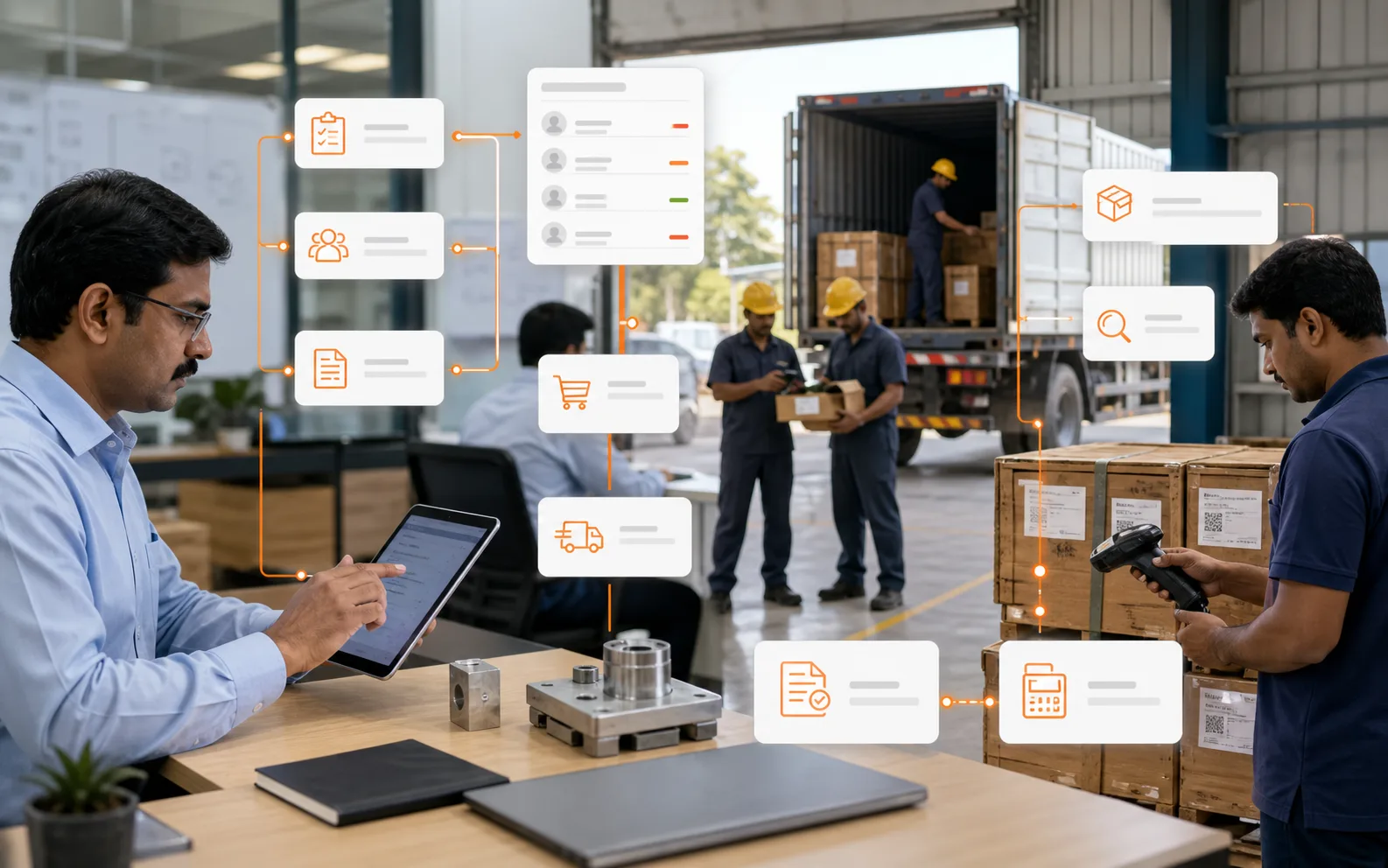
Learn what GSTR-2A is, how it helps purchase reconciliation, why manufacturers should review it, common mismatches, and GST compliance caveats.
ERP vs Accounting Software: Follow One Manufacturing Order. Use a worked factory test, explicit inputs and exception checks before rollout.
A practical ERP buyer's guide for MSME manufacturers covering process fit, modules, cost, vendor support, implementation, training, scalability, and ROI.
Learn how industrial sensors help manufacturers track production in real time, reduce manual reporting delays, and improve shop-floor decisions with live dashboards.
Learn when small manufacturers can implement ERP without a consultant, what scope is realistic, what risks to avoid, and when expert help is worth paying for.
Learn how AI is changing manufacturing careers, which skills matter, which roles are emerging, and how workers can prepare for AI-enabled factories.
Learn how AI planning tools can work with Excel and spreadsheets, when spreadsheet integration helps, and when manufacturers should move to connected workflows.
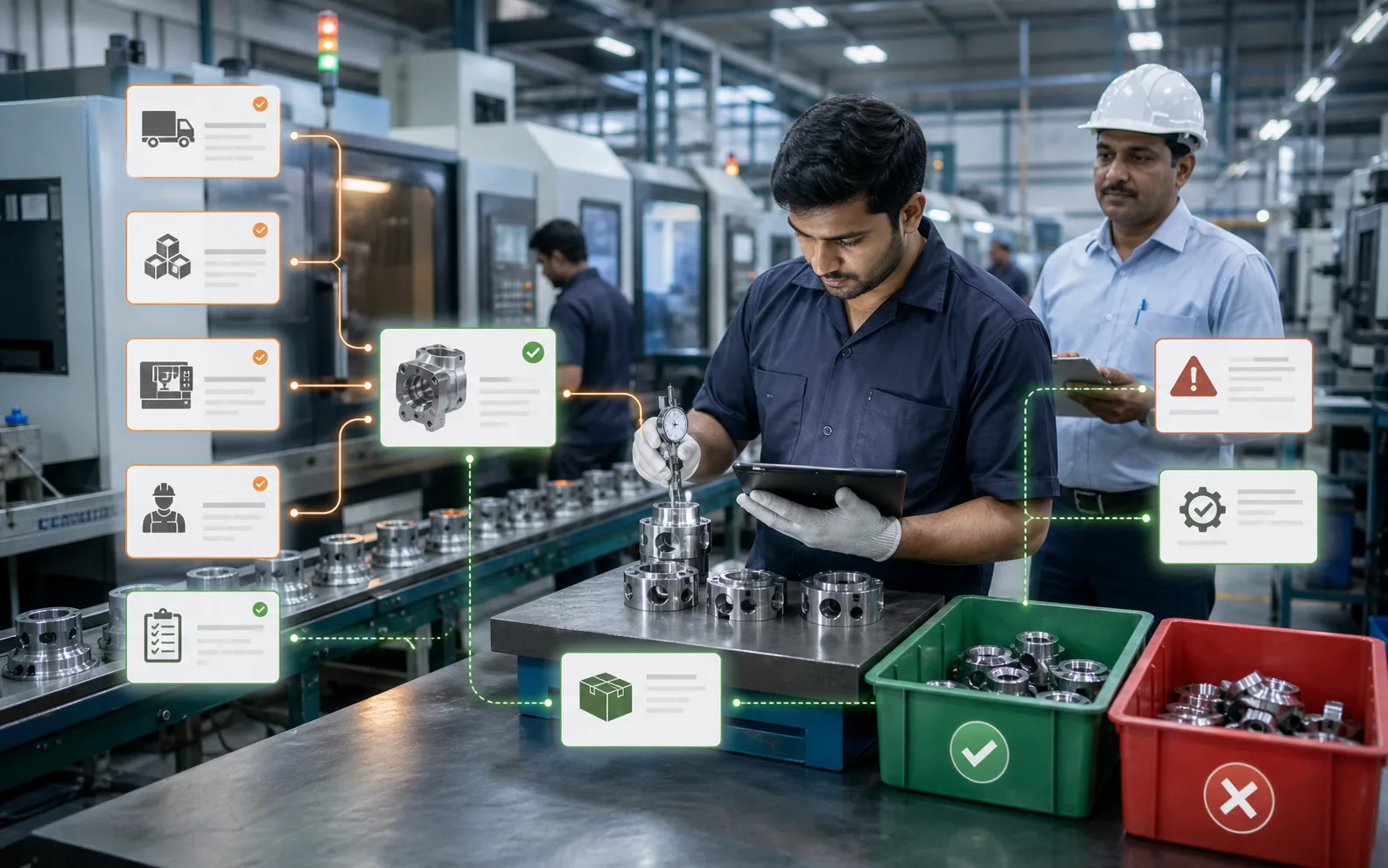
Lean manufacturing and AI work together by reducing waste, improving visibility, predicting problems, and helping factories act faster with better data.
Learn what product cost means, what it includes, how manufacturers calculate it, and why accurate cost data supports better pricing and profitability.
Learn the practical signs that a factory is ready for automation, including downtime, manual reporting, quality issues, labor pressure, and production visibility gaps.