
Can I Still Make Supply Decisions or Does Software Decide?
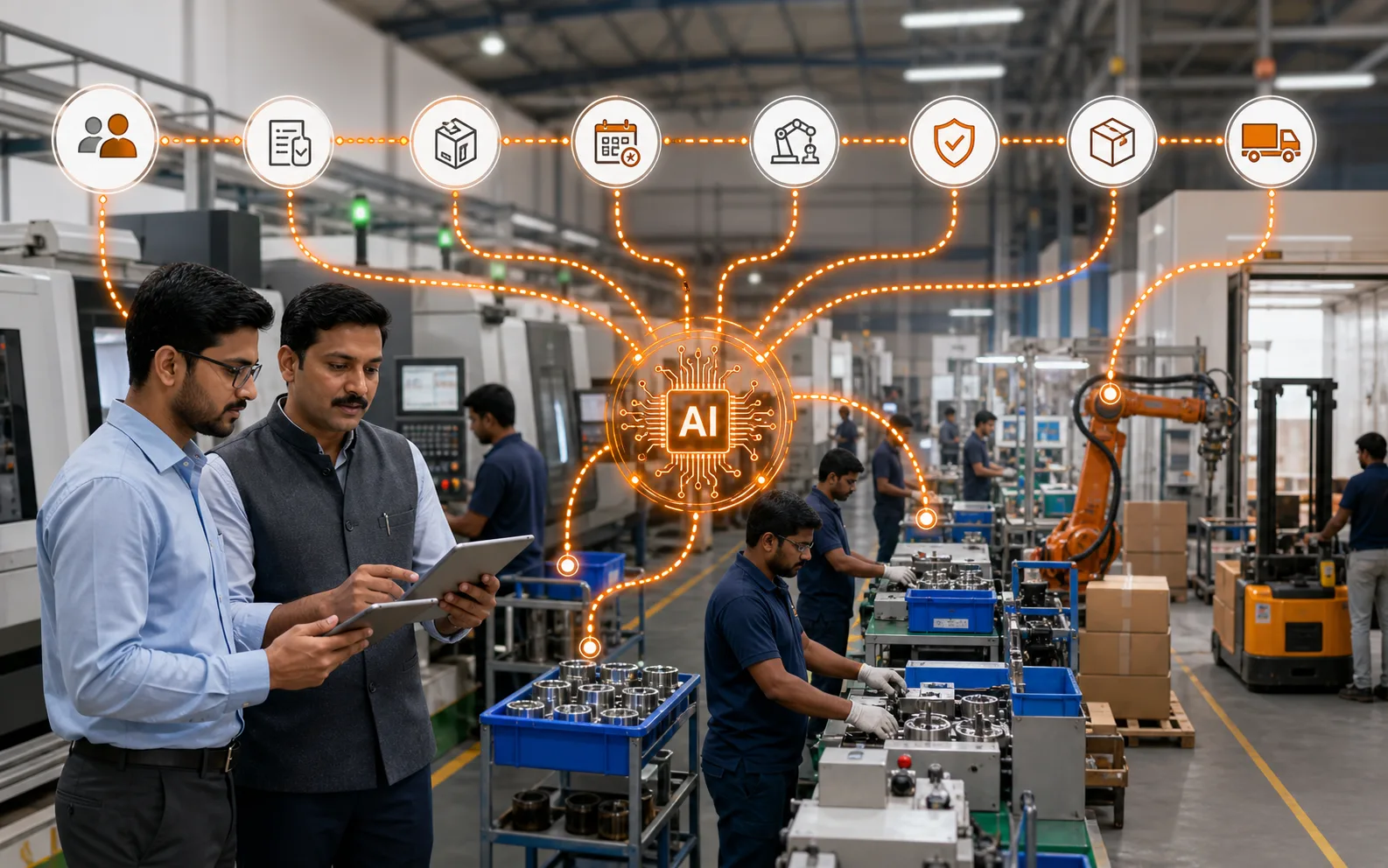
Learn how inventory software supports supply decisions without removing human control, and how manufacturers should balance automation with judgement.
Loading Optiwise
A structured blog experience powered by the local AICAN CMS, with rich publishing, search visibility, and editorial control without WordPress.

Filter blog posts
2013 posts available, showing 649-672

Learn how inventory software supports supply decisions without removing human control, and how manufacturers should balance automation with judgement.

Test factory IoT connectivity through disconnect, buffer, source-time, resync, gap detection and reconciliation checks.

Understand what implementation support manufacturers should expect for AI systems, including workflow mapping, data readiness, training, rollout, and post-go-live help.

A practical guide for SME manufacturers on how to evaluate startup recognition, software credibility, product fit, support, and ERP implementation before choosing a business system.

Plan manufacturing shifts with skill, machine, leave, overtime risk, planned load and approval boundaries instead of treating AI scheduling as magic.

Learn how QR code systems help manufacturers improve inventory tracking, stock accuracy, receiving, issue, WIP movement, and warehouse visibility.

Learn what order picking means, why picking accuracy matters, common picking methods, and how manufacturers can reduce dispatch errors.

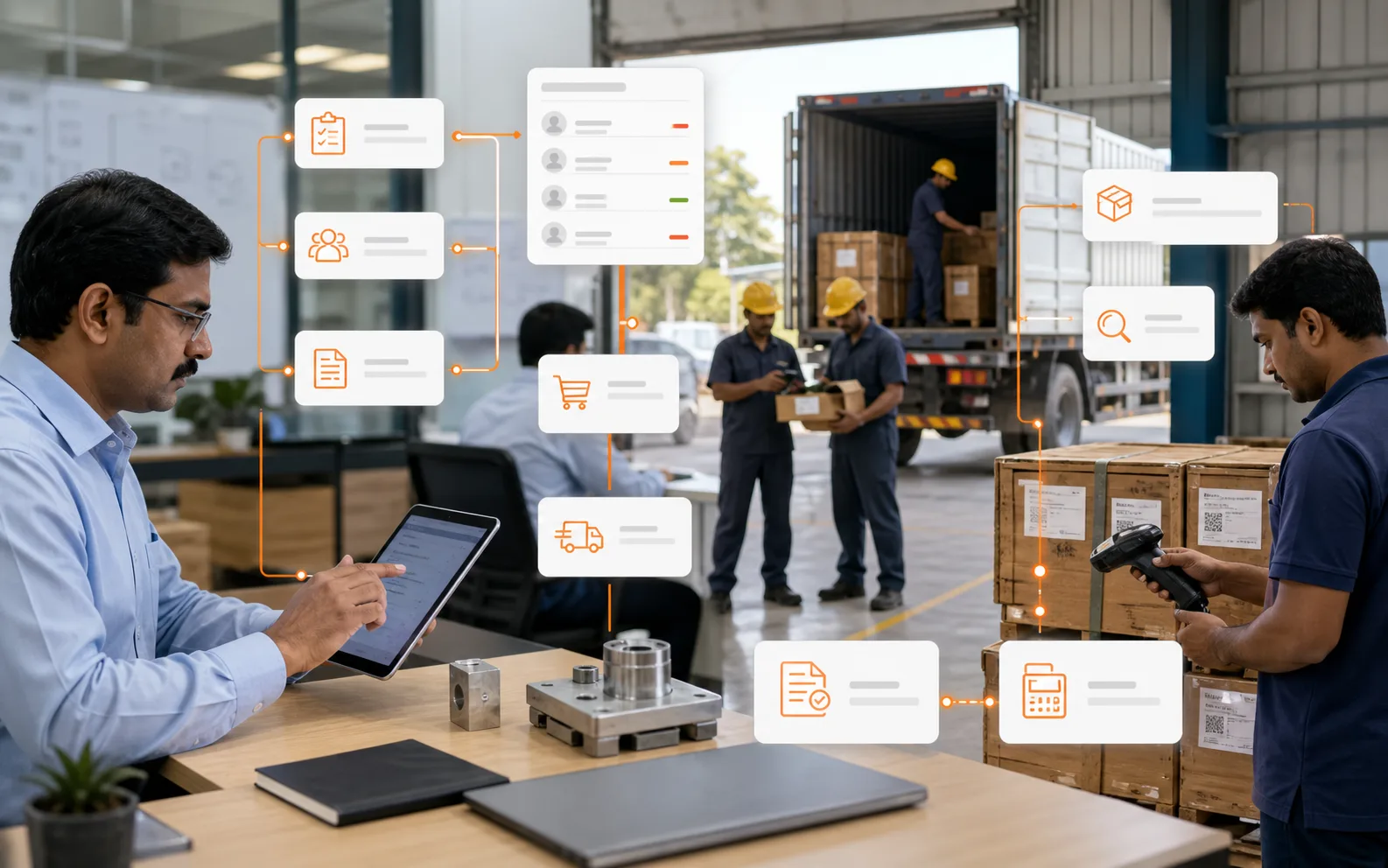
Learn how inward GRN and QC workflows help manufacturers control incoming material, supplier quality, stock accuracy, and purchase invoice validation.

Explore the benefits and limitations of RFID for inventory management, where it works best, where it may not, and how manufacturers can decide wisely.

Learn what manufacturers should do when AI malfunctions, including fallback workflows, alerts, human review, audit trails, vendor support, and continuous monitoring.

Discover the common software problems manufacturers face, from disconnected systems and poor data quality to ERP complexity, reporting gaps, and low adoption.

ERP for Injection Moulding: Mould, Machine and Material Test. Use a worked factory test, explicit inputs and exception checks before rollout.

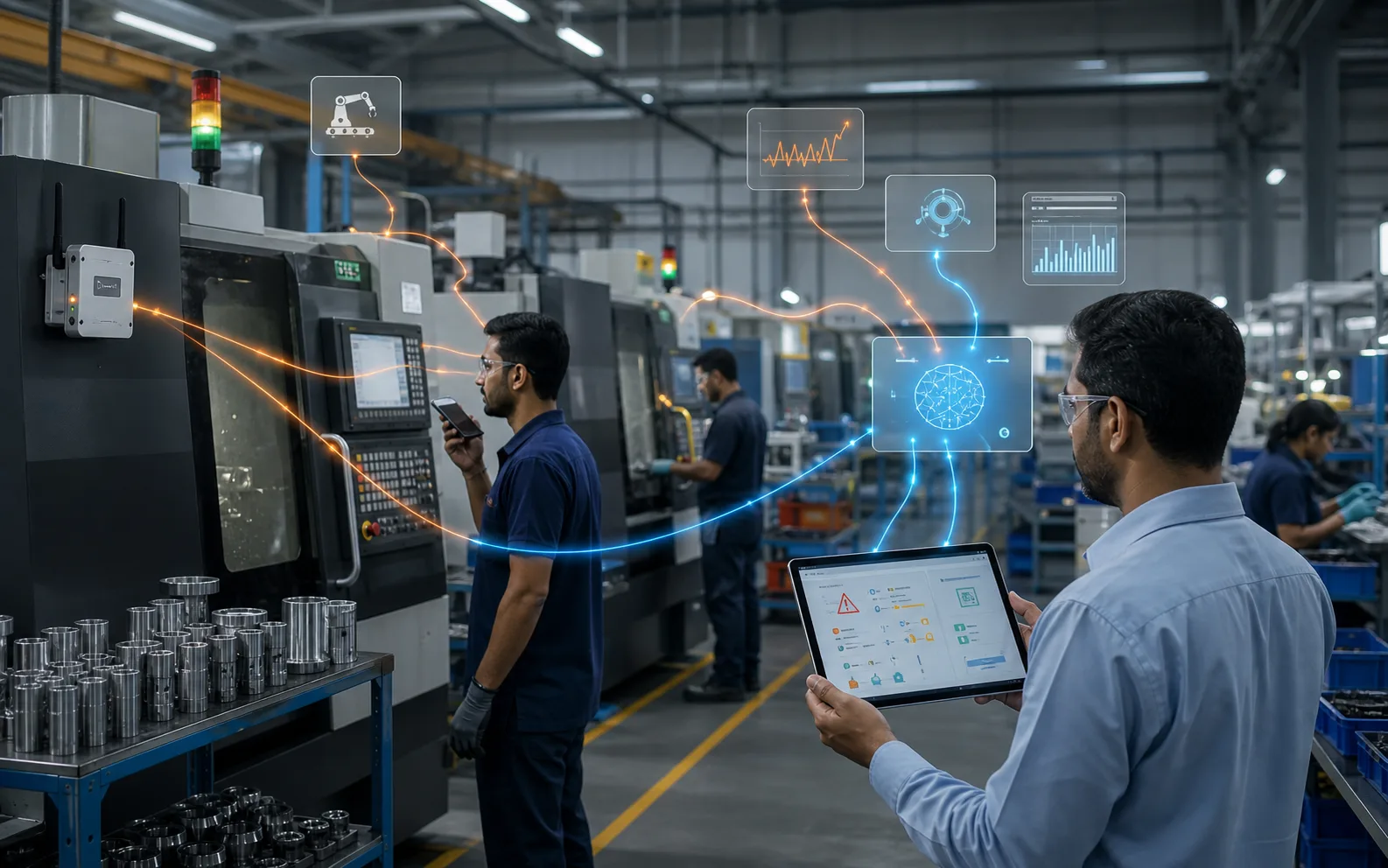
Learn how ERP and shopfloor IoT give manufacturers real-time visibility into jobs, machines, WIP, downtime, production output, QC status, and operational bottlenecks.

Learn how ERP helps small businesses manage multiple factories, warehouses, branches, stores, and service locations with inventory, orders, transfers, reports, and controls.

Learn how cloud based inventory management helps manufacturers improve stock accuracy, purchase planning, production readiness, and reporting with AICAN Optiwise.

Learn the difference between portfolio, program, and project management, with practical manufacturing examples and execution guidance.

Learn how small Indian manufacturers can choose ERP for production, inventory, purchase, finance, reporting, affordability, scalability, and AI readiness.

Learn how to build a production planning strategy that balances demand, capacity, inventory, suppliers, and delivery commitments.

Understand the real barriers stopping manufacturers from adopting AI, including cost concerns, poor data, worker fear, unclear ROI, and legacy systems.

Learn how manufacturers can track jobs through multiple production stages using job cards, WIP visibility, stage updates, QC status, delay reasons, and ERP dashboards.

Understand the difference between tax invoice and bill of supply under GST, when each is used, and how Optiwise helps manufacturers reduce billing errors.

Learn how to build a strong ERP budget case for management using operational pain, cost of delay, ROI, phased rollout, risk reduction, and measurable business outcomes.

Learn how to build career resilience in an AI-driven economy through adaptable skills, AI fluency, domain expertise, business impact, and continuous learning.

Understand how industrial sensors affect manufacturing jobs, why they usually support workers rather than replace them, and how roles change with better factory visibility.