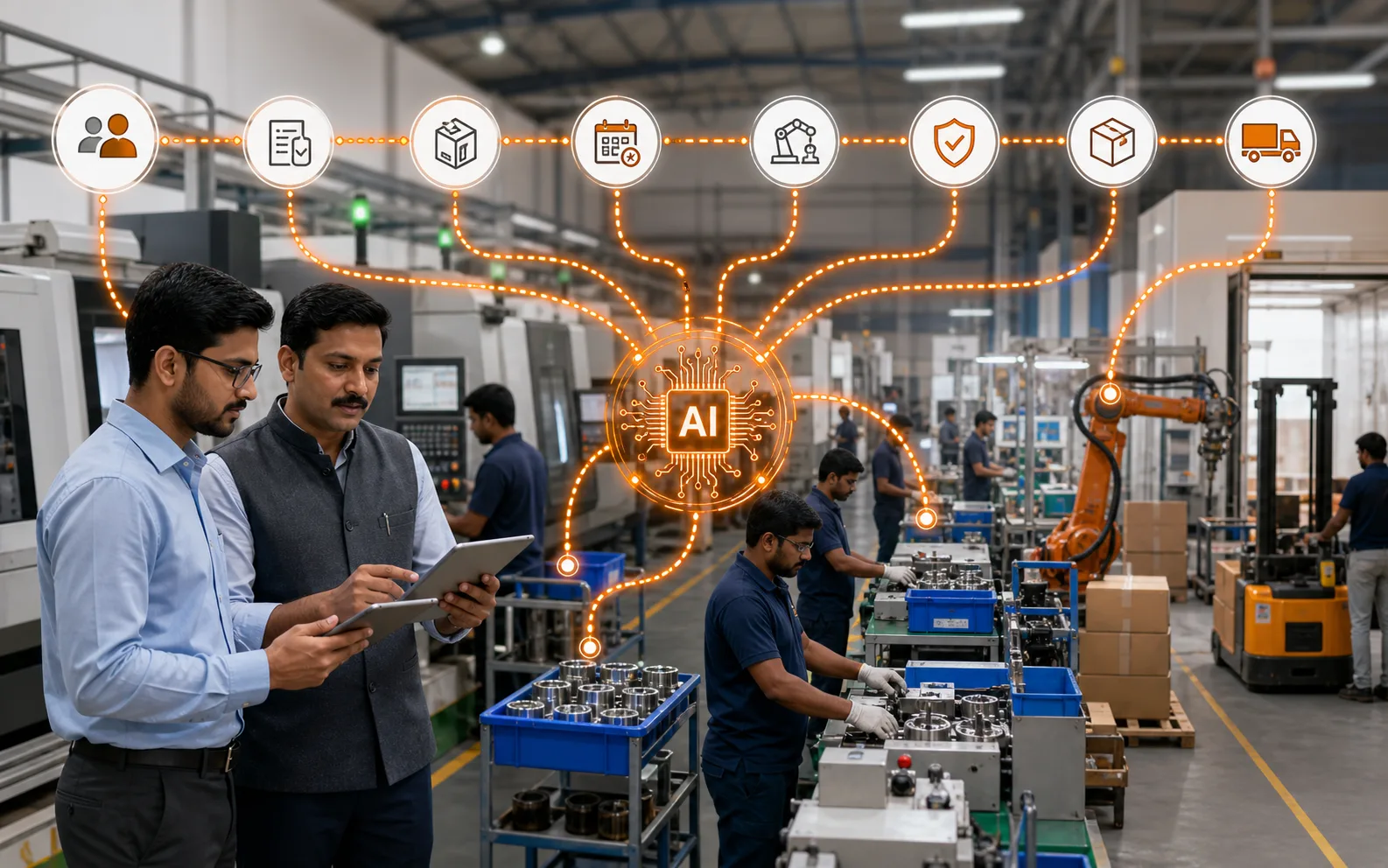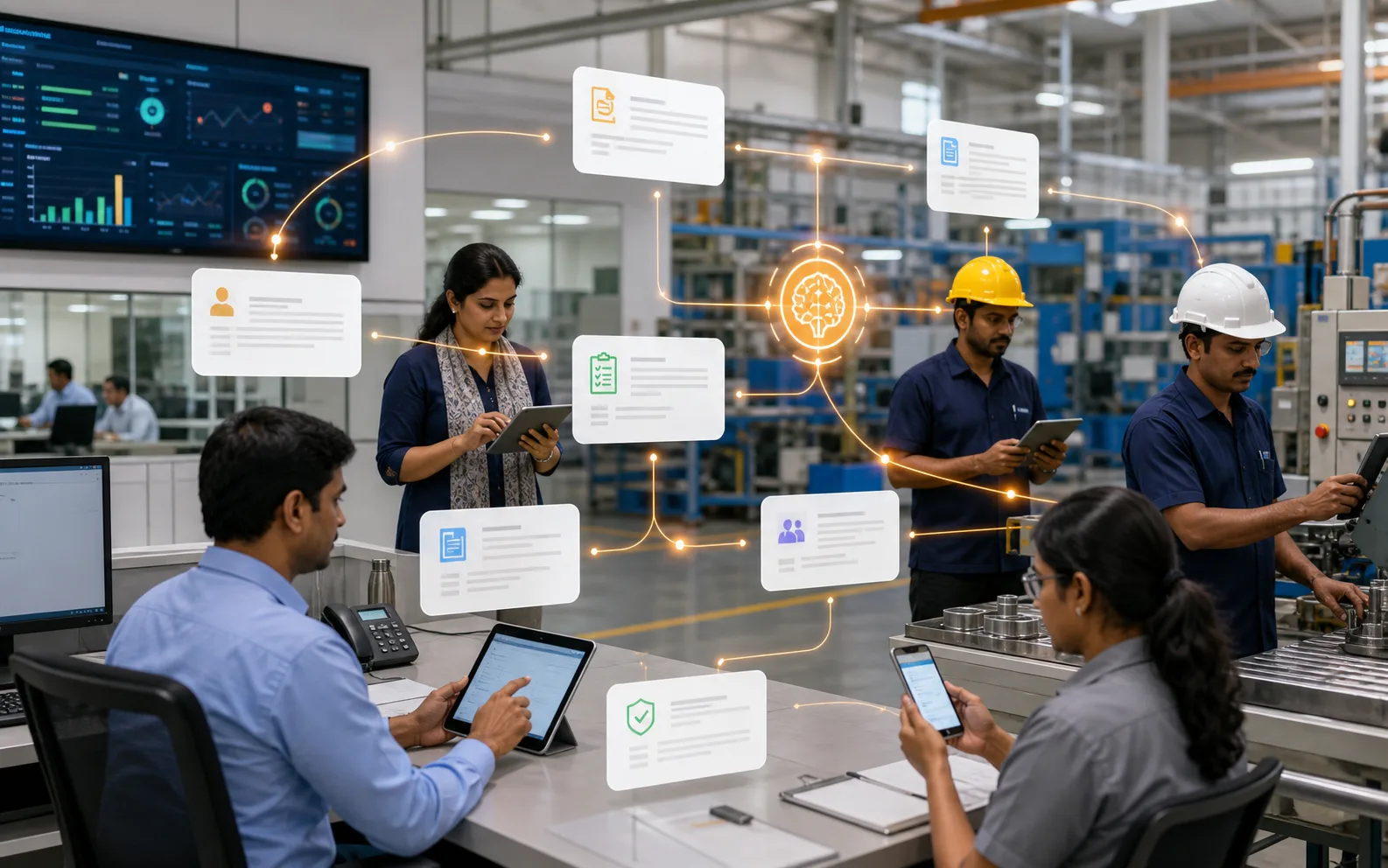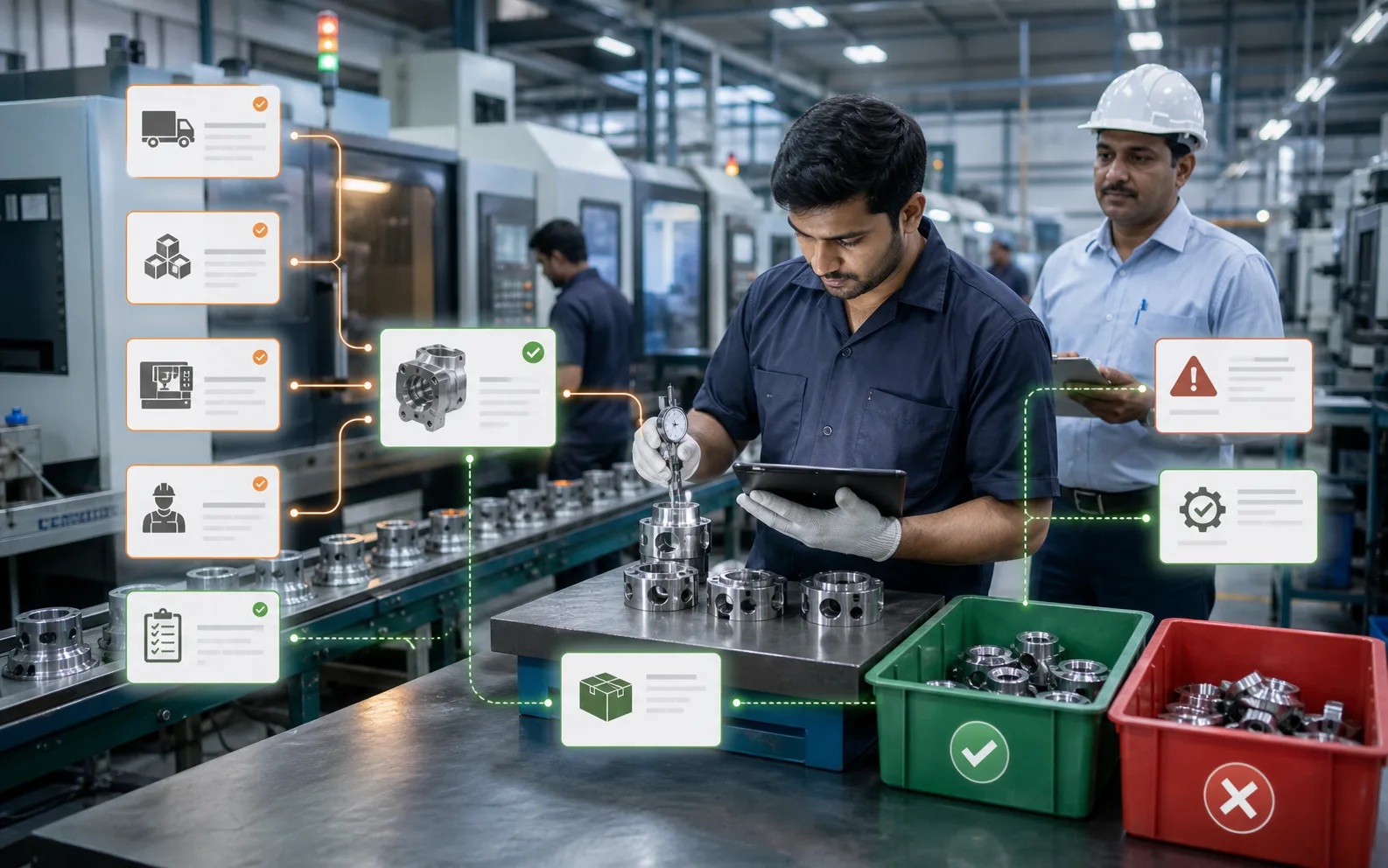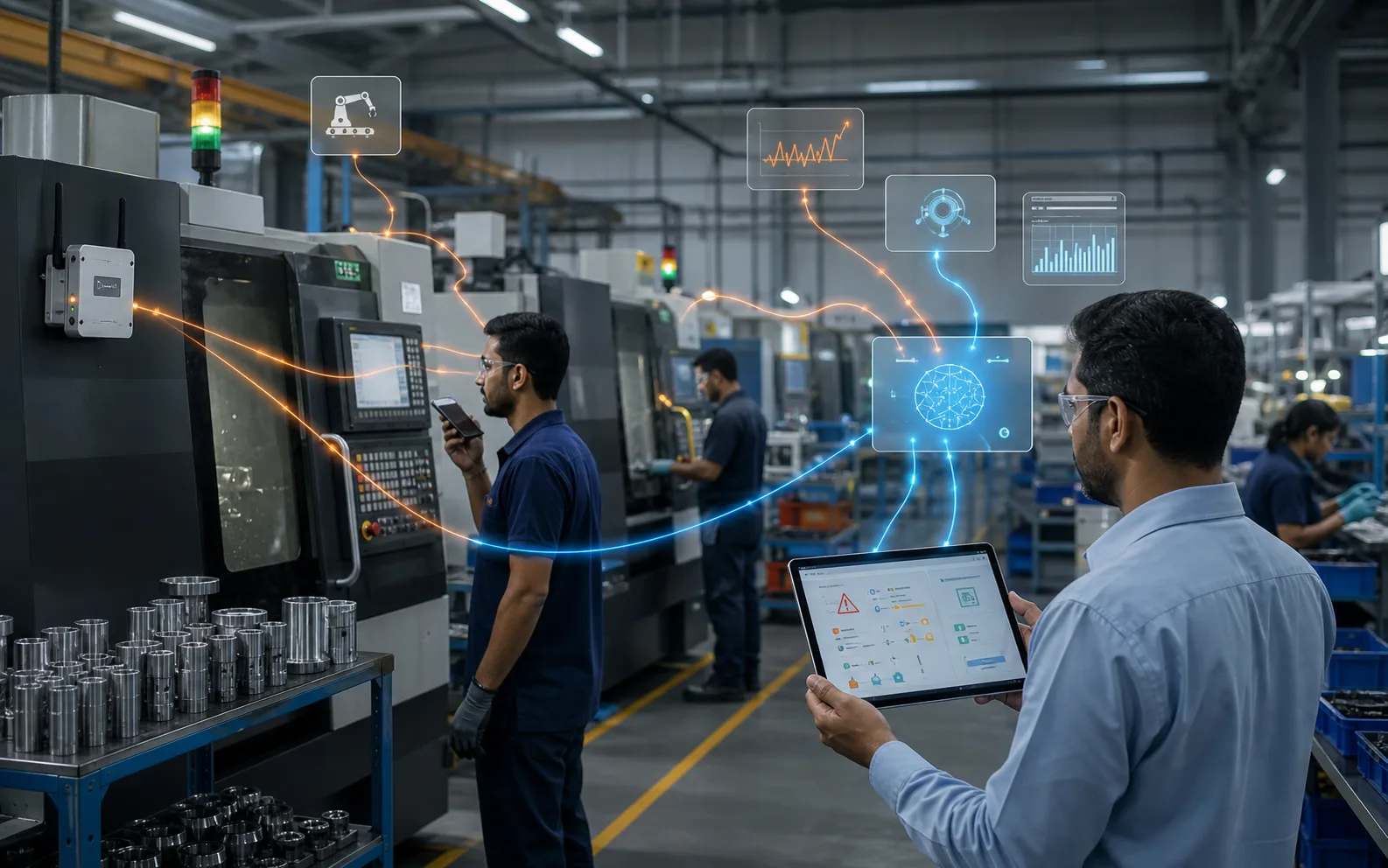


What Data Do I Need to Use AI in Manufacturing?
Learn what data manufacturers need for AI, including production, inventory, quality, maintenance, purchase, dispatch, finance, and machine data.
Loading Optiwise
A structured blog experience powered by the local AICAN CMS, with rich publishing, search visibility, and editorial control without WordPress.

Filter blog posts
1959 posts available, showing 697-720

Learn what data manufacturers need for AI, including production, inventory, quality, maintenance, purchase, dispatch, finance, and machine data.

Learn how secure small business ERP can be, what security features to check, and how permissions, backups, audit trails, vendor practices, and user discipline protect data.

Compare TallyPrime and Optiwise for manufacturing SMEs across accounting, inventory, production planning, purchase, sales, costing, and shop-floor visibility.

Learn what plastic manufacturers should look for in ERP, including resin inventory, batch tracking, molding production, cycle times, rejection control, mold management, quality, and costing.

A practical guide to must-have ERP features for small manufacturers: sales, purchase, inventory, production, quality, dispatch, finance coordination, dashboards, and mobile access.

Learn what average inventory means, how to calculate it, why it matters for manufacturers, and how ERP visibility helps SMEs control stock without hurting production.

Learn how to plan a practical IoT pilot project for manufacturing without overspending, overbuilding, or overwhelming your factory team.

Learn what a stock management system is, why SMEs need one, key features, reports, common mistakes, and how Optiwise supports connected inventory control.

Learn how to evaluate AI risk in your industry by analyzing repetitive tasks, data availability, cost pressure, regulation, human trust, physical work, and adoption speed.

Learn procurement cost reduction strategies for SMEs, including supplier management, demand planning, rate control, inventory linkage, and how AICAN Optiwise improves purchase visibility.

Use this practical ERP selection checklist to define goals, map workflows, compare vendors, test demos, evaluate costs, plan implementation, and choose confidently.

Learn what real-time factory visibility IoT provides, including machine status, production output, downtime, energy, quality, maintenance alerts, and dispatch risk.

Compare pre-made ERP and custom ERP for small businesses across cost, speed, flexibility, support, risk, scalability, and manufacturing workflow fit.

Learn common inventory costing methods such as FIFO, weighted average, standard costing, and specific identification, with practical manufacturing considerations.

Learn what HSN code means, why it matters in GST invoices, how manufacturers should manage HSN data, and how ERP systems support cleaner compliance records.

Understand the risks of not implementing ERP for growing manufacturers: poor visibility, stock errors, delayed orders, weak accountability, manual reporting, and scaling problems.

Learn how to track CNC machine downtime with reason codes, operator inputs, machine data, work orders, maintenance history, OEE, and ERP reporting.

Understand customer perception of AI-made products, why quality and transparency matter, and how manufacturers can build trust in AI-supported production.

Learn how MSMEs can automate factory operations step by step, including production updates, purchase approvals, inventory alerts, dispatch, reports, and AI-ready ERP workflows.

Learn how much training factory workers need for AI systems, what to teach first, and how manufacturers can drive adoption without overwhelming teams.

Understand the real cost of AI factory management software, including subscription, implementation, training, integrations, customization, and ROI factors.

Learn how to manage shelf life inventory using ERP, FEFO, expiry alerts, batch-wise stock, ageing reports, dispatch controls, and production planning.

Learn how assembly line management works, what challenges manufacturers face, and how ERP supports material readiness, line balancing, QC, and production tracking.

A practical IoT platform checklist for manufacturers covering machine connectivity, dashboards, alerts, reporting, security, scalability, support, and ROI.