
ERP & Digital Transformation
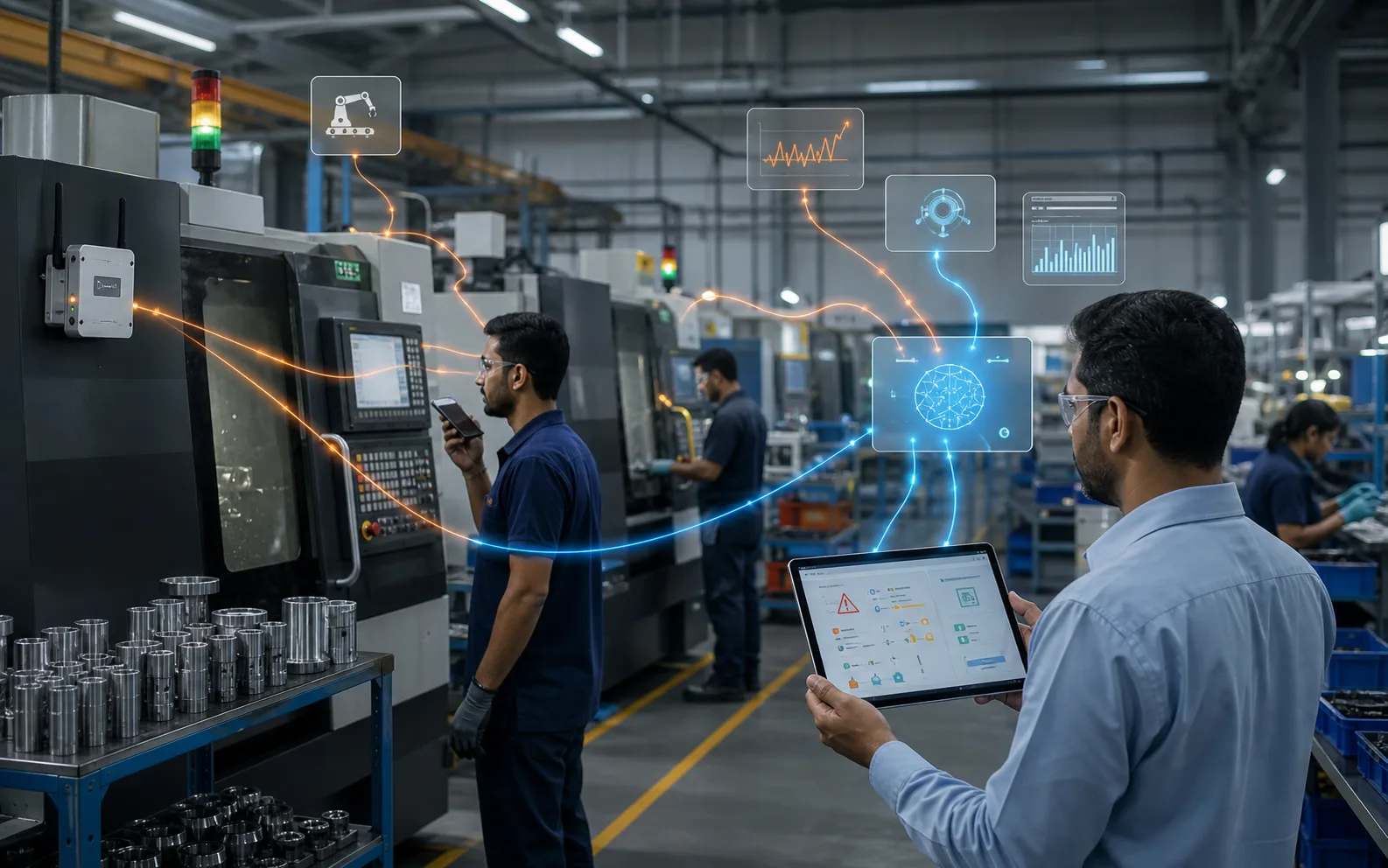
Data collection and analytics from sensors
Learn how industrial sensor data is collected, cleaned, contextualized, analyzed, and converted into practical manufacturing decisions.
16 Sept 20254 min read
Loading Optiwise
A structured blog experience powered by the local AICAN CMS, with rich publishing, search visibility, and editorial control without WordPress.

Filter blog posts
2013 posts available, showing 1129-1152
Learn how industrial sensor data is collected, cleaned, contextualized, analyzed, and converted into practical manufacturing decisions.
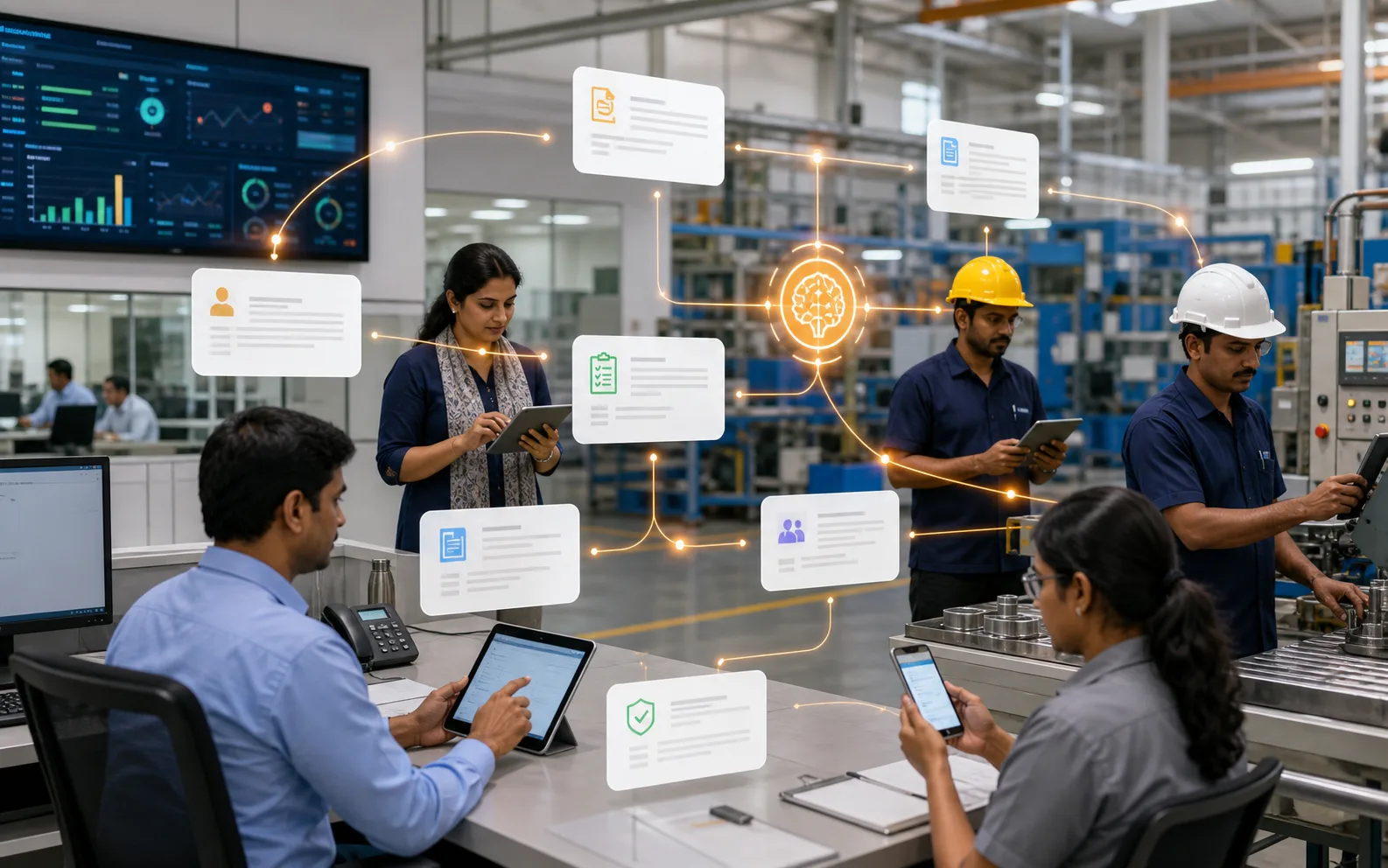
Use these ERP software selection criteria to evaluate fit, modules, implementation, scalability, cost, support, security, reporting, and industry workflows.
Compare AI agent cost with hiring employees by considering salary, benefits, training, software, setup, oversight, task type, and business risk.
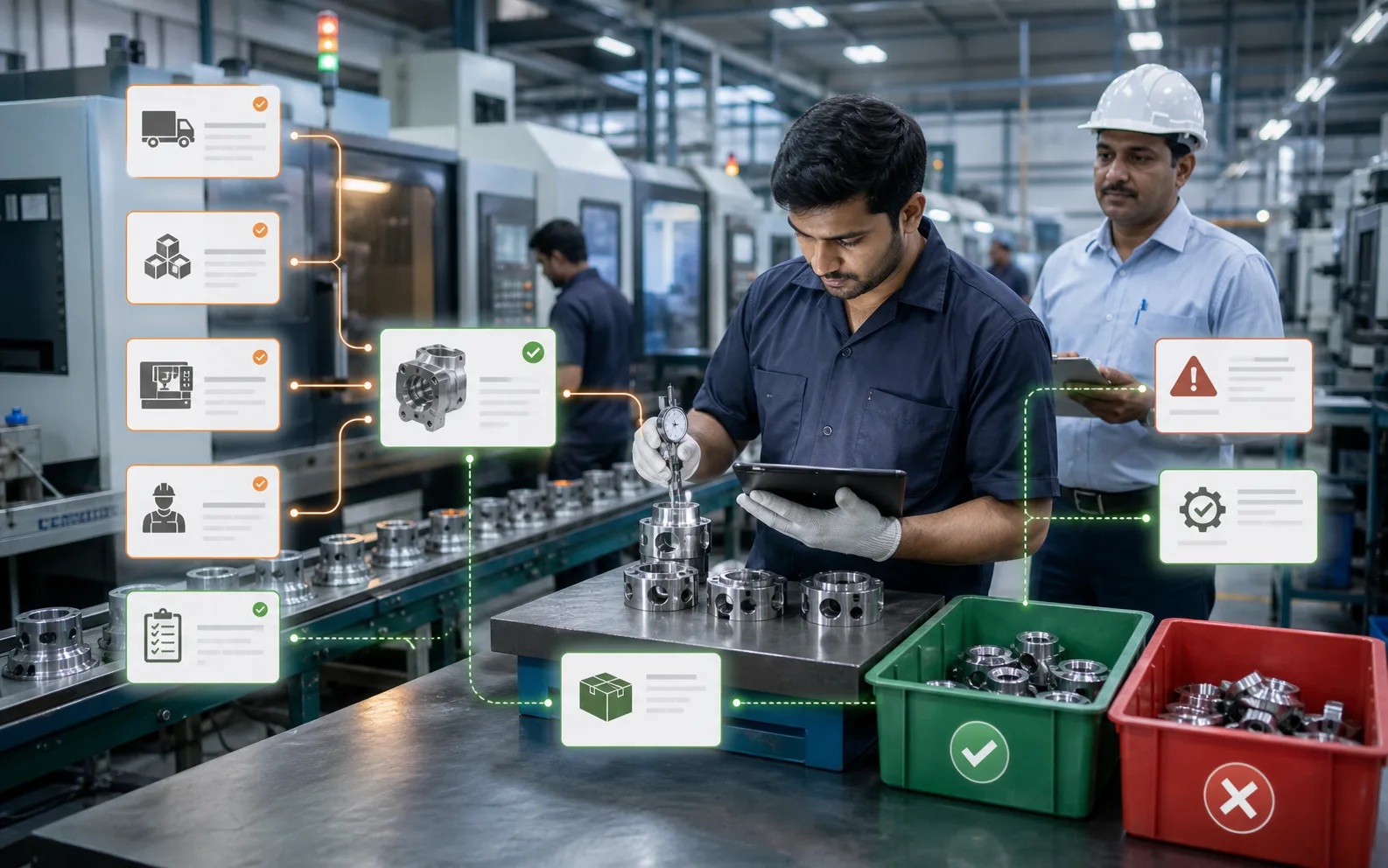
Learn how foundries can monitor furnaces remotely using IoT telemetry, heat numbers, furnace status, downtime, process alerts, maintenance, quality results, and ERP dashboards.

Compare web-based ERP and desktop software for small manufacturers across access, updates, cost, security, collaboration, scalability, and daily usability.

Learn how to estimate the payback period for inventory software using savings from stockouts, excess stock, time saved, fewer errors, and better purchasing.
Learn the purchase order process from requisition to approval, supplier PO, goods receipt, invoice matching, and closure, with best practices for manufacturers.
Learn cash flow analysis for SMEs and manufacturers, including operating cash flow, warning signs, practical review steps, and how AICAN Optiwise improves visibility.
Understand how AI is changing tech careers, which tasks are being automated, and why domain knowledge, system thinking, product judgment, and AI fluency still matter.

Tie AI value to daily manufacturing decisions: shortages, production summaries, vendor follow-up, inspection review, dispatch readiness and management reporting.
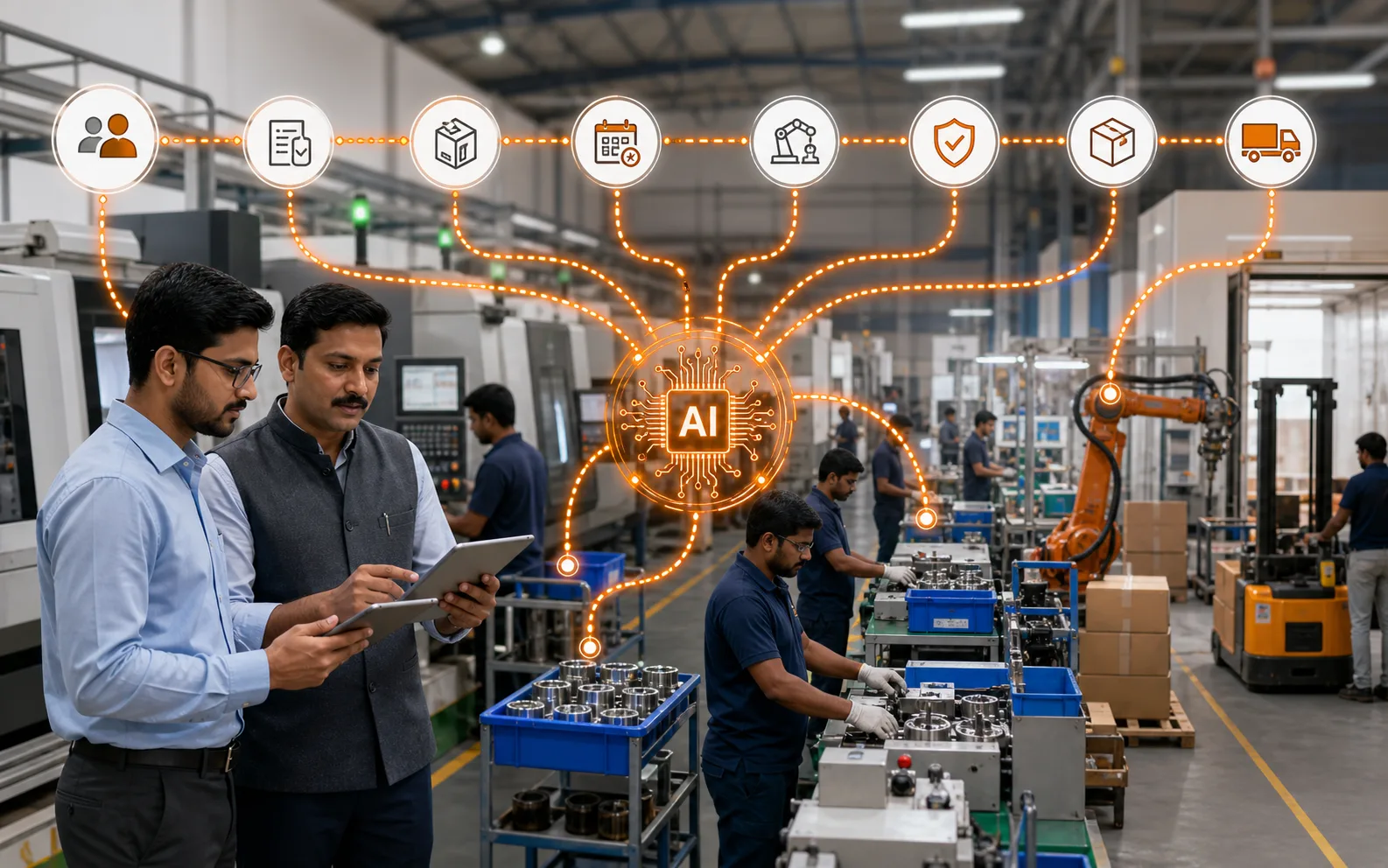
Predictive maintenance can save factories money by reducing unexpected downtime, overtime, emergency repairs, scrap, and production delays when data is reliable.
Check AI automation readiness by reviewing repetitive tasks, data quality, workflow clarity, team adoption, approval rules, integration needs, and ROI goals.
Understand data security in AI manufacturing systems, including access control, cloud security, vendor checks, sensitive production data, and safe adoption practices.
Learn how to reduce idle machine time through better planning, material readiness, operator availability, setup control, machine monitoring, and ERP visibility.
Learn what agile manufacturing means, why flexibility matters, and how ERP helps manufacturers respond faster to demand changes, material issues, and production complexity.
Learn how foundries can choose ERP for enquiries, pattern management, melt planning, furnace monitoring, heat numbers, casting defects, quality, inventory, costing, and dispatch.
Implement AI in procurement safely with phased rollout, clean data, approval controls, user training, pilot workflows, and manufacturing process alignment.
Use IoT to Protect Production Deadlines. Use a worked manufacturing test, explicit inputs and exception checks before rollout.
Learn how manufacturers should evaluate ERP vendors beyond demos, including real workflow testing, references, implementation support, pricing, usability, data migration, and long-term fit.
AI Procurement Coordination. Use a worked manufacturing test, exception checks and direct Optiwise workflow evidence before rollout.
Industries with repetitive communication, scheduling, reporting, customer support, operations coordination, and data-heavy workflows benefit most from AI agents.
Learn the real cost of ERP for small businesses, including software, implementation, training, support, and hidden expenses that affect long-term ERP budgeting.
Learn how manufacturers can start with IoT in phases, connect critical machines first, prove value, train teams, and expand without disrupting production.
Understand sales orders and purchase orders with a manufacturer flow linking customer demand, supplier buying, production and dispatch.