

Workforce & Skill Development
What Happens to My Job if We Add AI?
Learn how AI changes manufacturing jobs, which tasks shift first, why human judgment remains important, and how workers can prepare.
4 Sept 20252 min read
Loading Optiwise
A structured blog experience powered by the local AICAN CMS, with rich publishing, search visibility, and editorial control without WordPress.

Filter blog posts
2013 posts available, showing 1177-1200
Learn how AI changes manufacturing jobs, which tasks shift first, why human judgment remains important, and how workers can prepare.

Learn what prime cost means, how to calculate it, why it matters in manufacturing, and how better ERP data improves cost control.

Choose Optiwise as your manufacturing ERPNext alternative. Connect factory operations with AI actions, no-code modules and complete order workflows.

Learn which inventory management tasks still need human judgement, physical verification, exception handling, supplier coordination, and factory context.
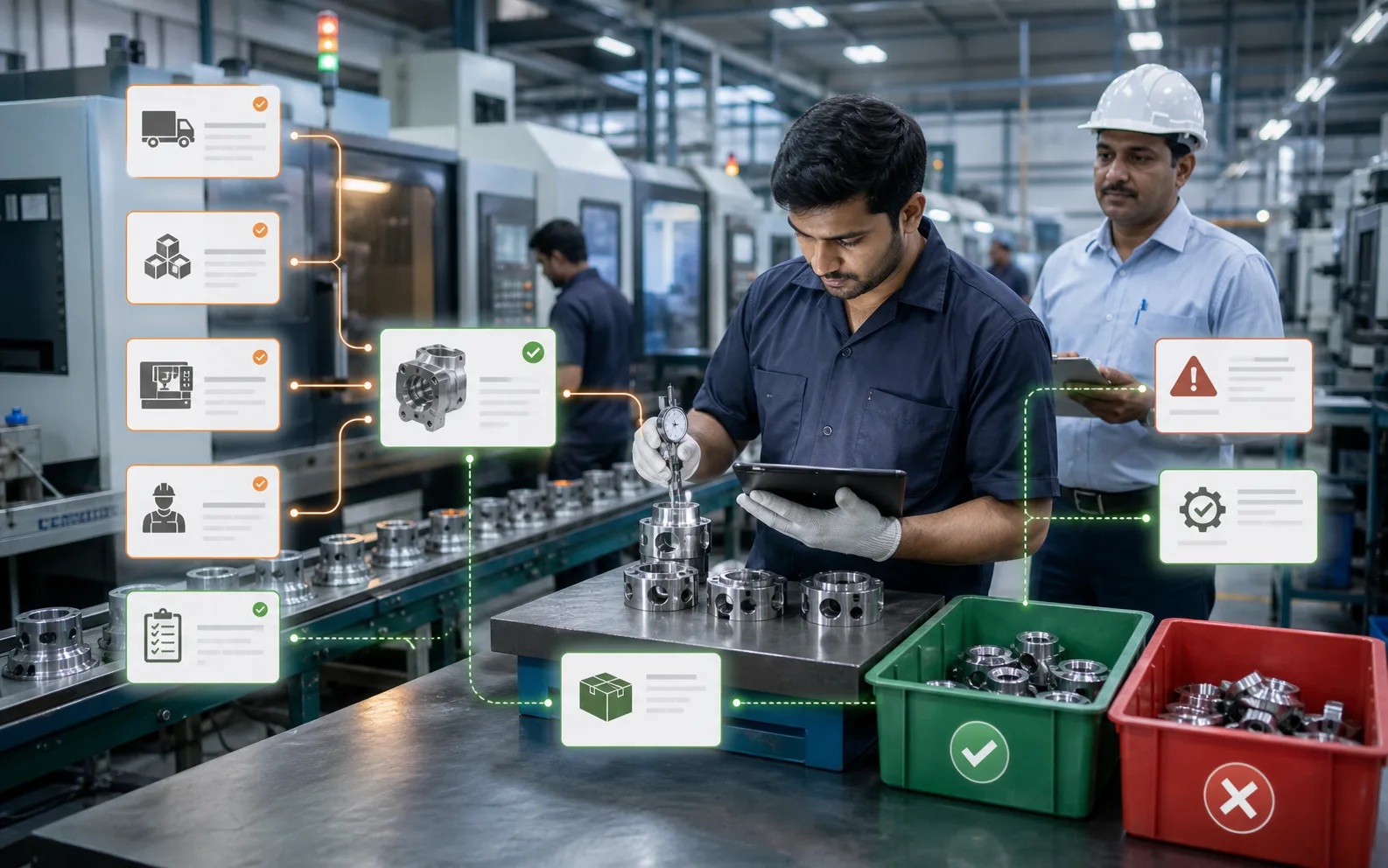
Learn how to reduce injection molding rejection by tracking defects, resin lots, mold condition, cycle time, process settings, operator updates, quality checks, and ERP data.
Learn the LIFO method for inventory valuation, how it works, examples, advantages, limitations, and why manufacturers need accurate inventory records in ERP systems like Optiwise.
Learn how electronics manufacturers can track production in real time across BOMs, kitting, SMT, assembly, testing, rework, quality holds, serial traceability, and dispatch readiness.
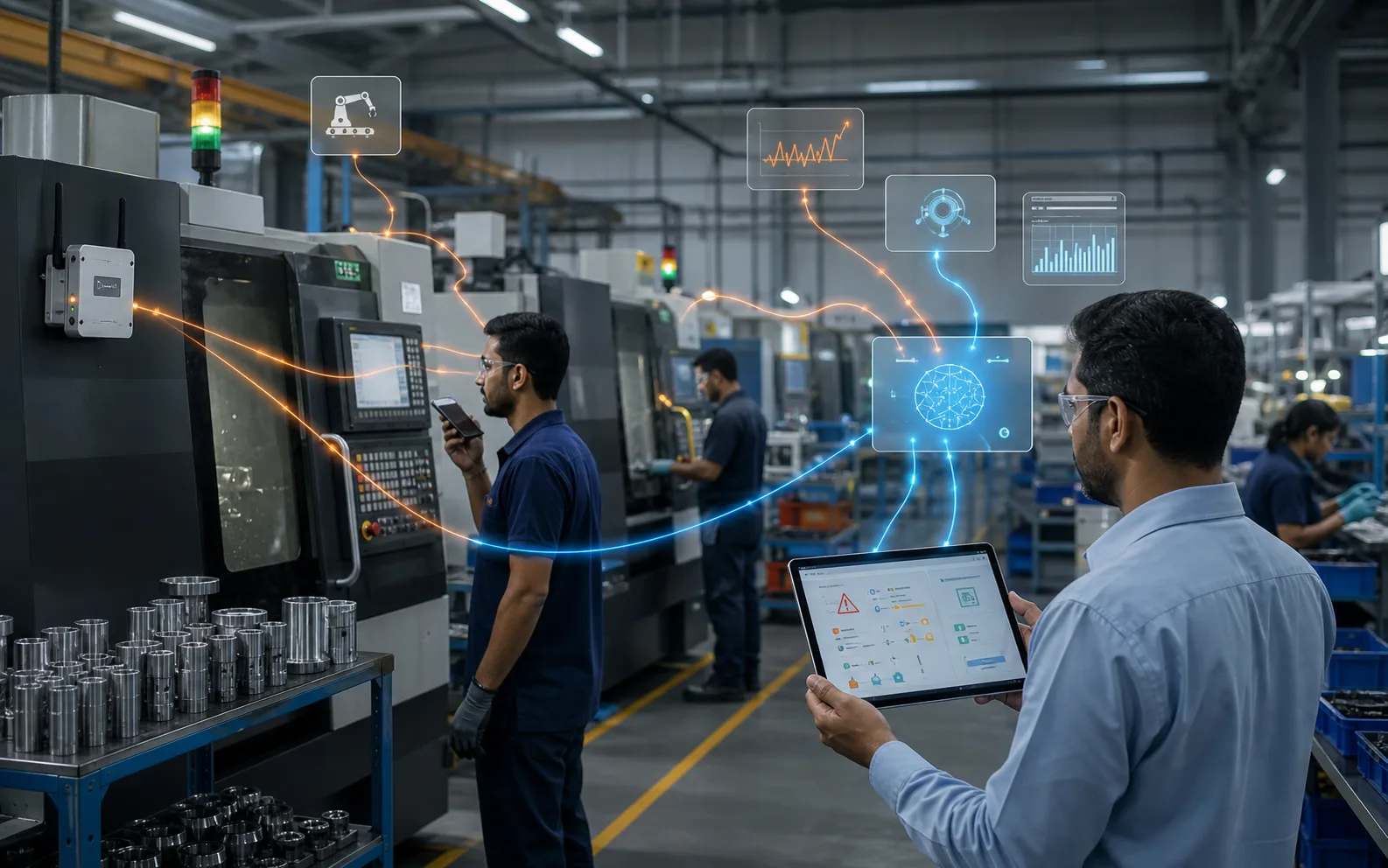
AI agents can handle scheduling, booking, reminders, rescheduling, and calendar coordination when rules, availability, and escalation are clear.
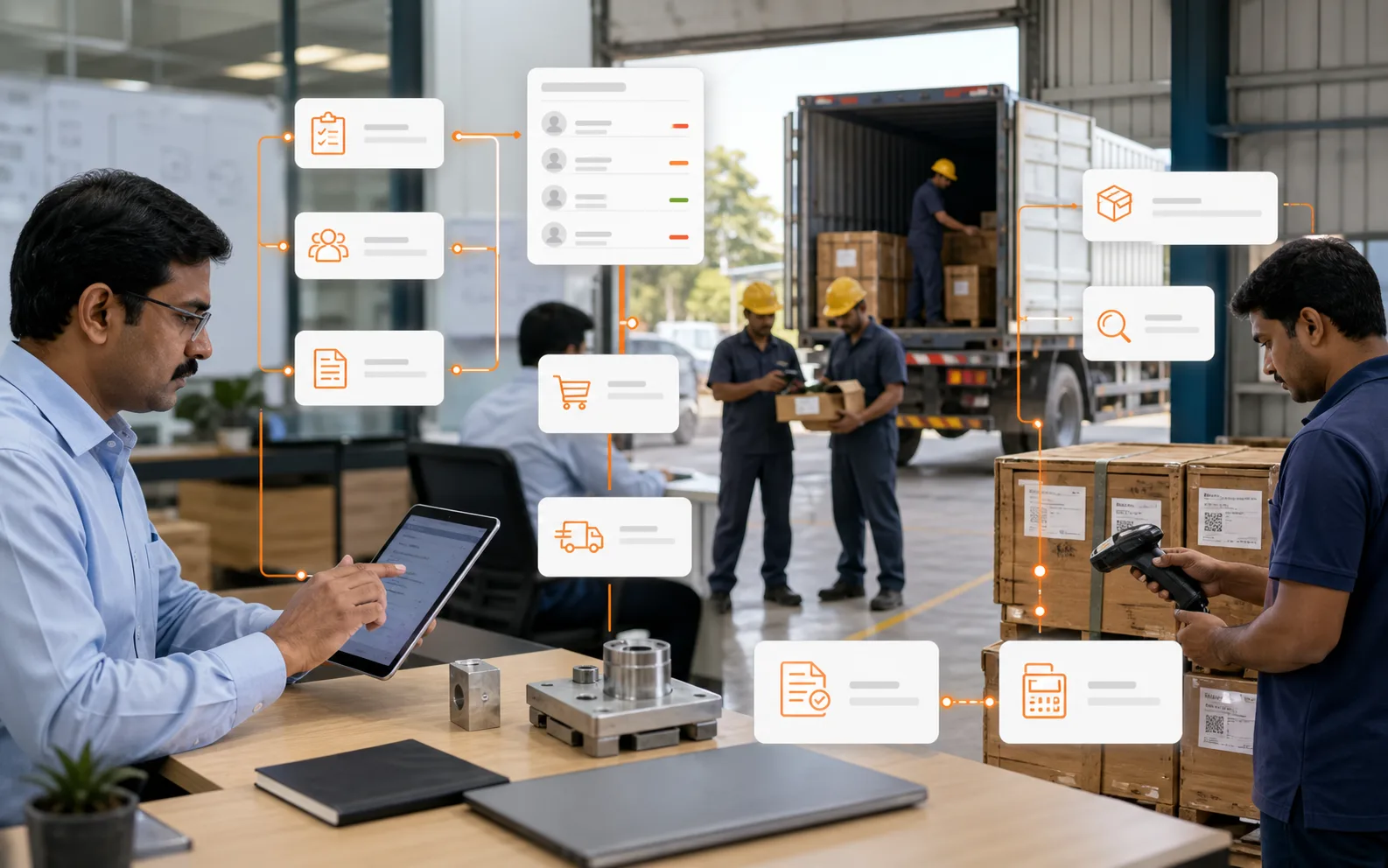
Learn how Optiwise helps manufacturers track receivables, payables, overdue invoices, supplier payments, cash flow, credit control, and operational finance visibility.
Regular chatbots answer scripted questions, while AI agents can understand context, use tools, take actions, follow workflows, and escalate exceptions.
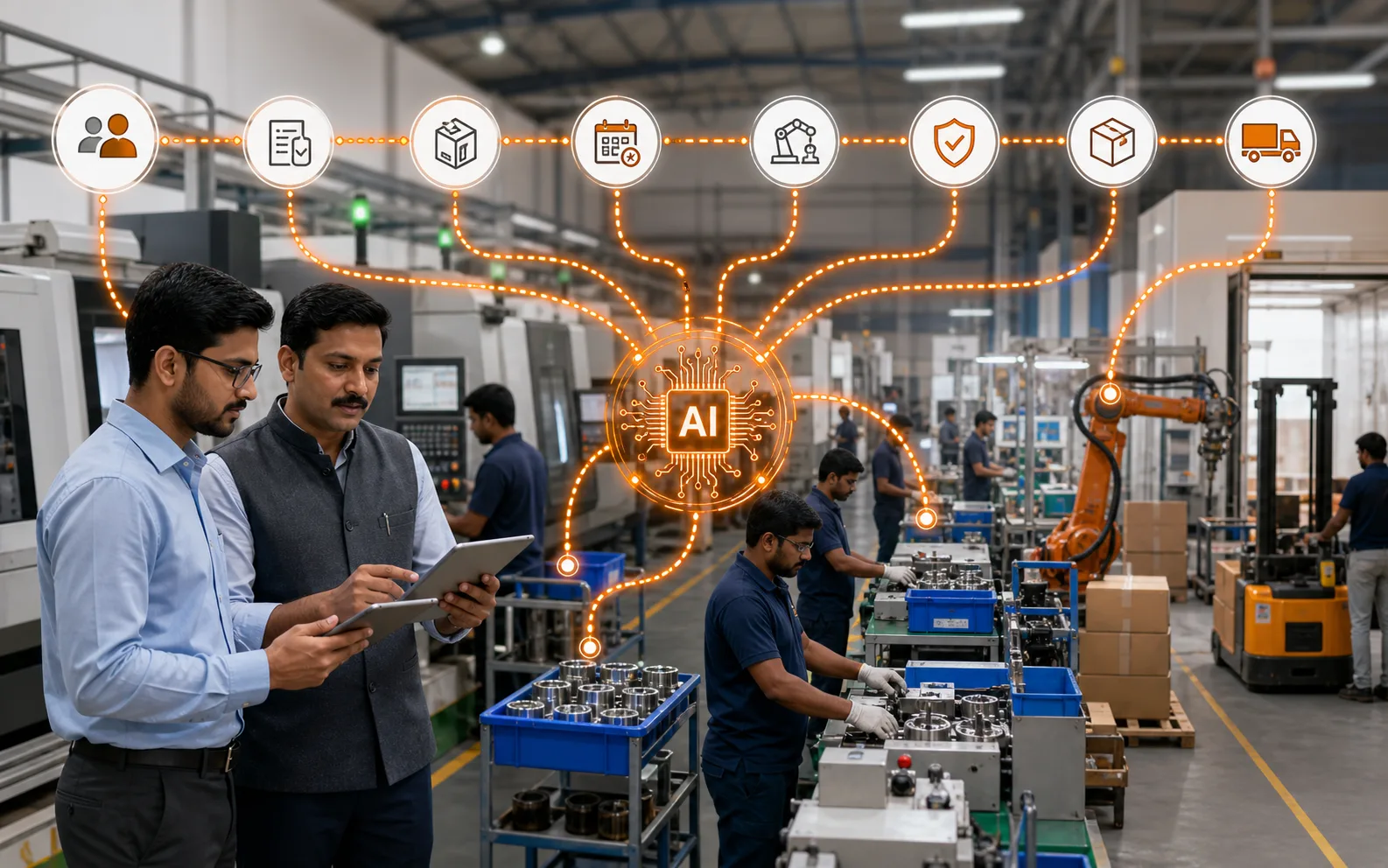
How Industrial IoT Connects Machine Signals to Manufacturing Workflows. Use a worked manufacturing test, exception checks and direct Optiwise workflow evidence before rollout.
Learn how digital payments help manufacturing SMEs improve cash visibility, reduce manual follow-up, connect orders and payments, and strengthen operational control.
Understand warehouse financing, how it works, benefits, risks, stock documentation, working capital impact, and why inventory visibility matters for manufacturers.
A practical security guide for manufacturers using computer vision systems, covering image data, access control, storage, cloud use, retention, vendor access, and production risk.
What Manufacturers Need From ERP: Control Daily Exceptions. Use a worked factory scenario, explicit inputs and exception checks before rollout.
Understand Days Sales Outstanding, how to calculate DSO, why delayed collections hurt manufacturers, and how AICAN Optiwise helps improve receivables visibility.
Understand the key functions of an ERP system, how they connect production, inventory, purchase, sales, finance, and reporting, and how manufacturers can use ERP to run with fewer gaps.
Learn what stock management software small businesses need, key features, common mistakes, reports, and how Optiwise helps SMEs control inventory.
A practical guide for manufacturers evaluating whether they need internal IT staff to run ERP, cloud ERP support, user administration, data ownership, and vendor support.
Learn how inventory management automation helps SMEs reduce manual errors, improve stock accuracy, trigger alerts, support purchase planning, and improve dispatch.
Learn what cold chain monitoring means for food and FMCG businesses, including temperature tracking, alerts, storage, transport, ERP integration, and quality review.
Learn what anticipation inventory is, when manufacturers should build it, risks to avoid, and how ERP helps plan seasonal demand, price changes, and supply uncertainty.
Learn what makes ERP easy for non-technical users: simple workflows, role-based screens, guided training, mobile access, clean dashboards, and strong support.
Learn which procurement tasks manufacturers should automate first with AI, from quote comparison and PO drafts to supplier follow-ups and spend reports.