
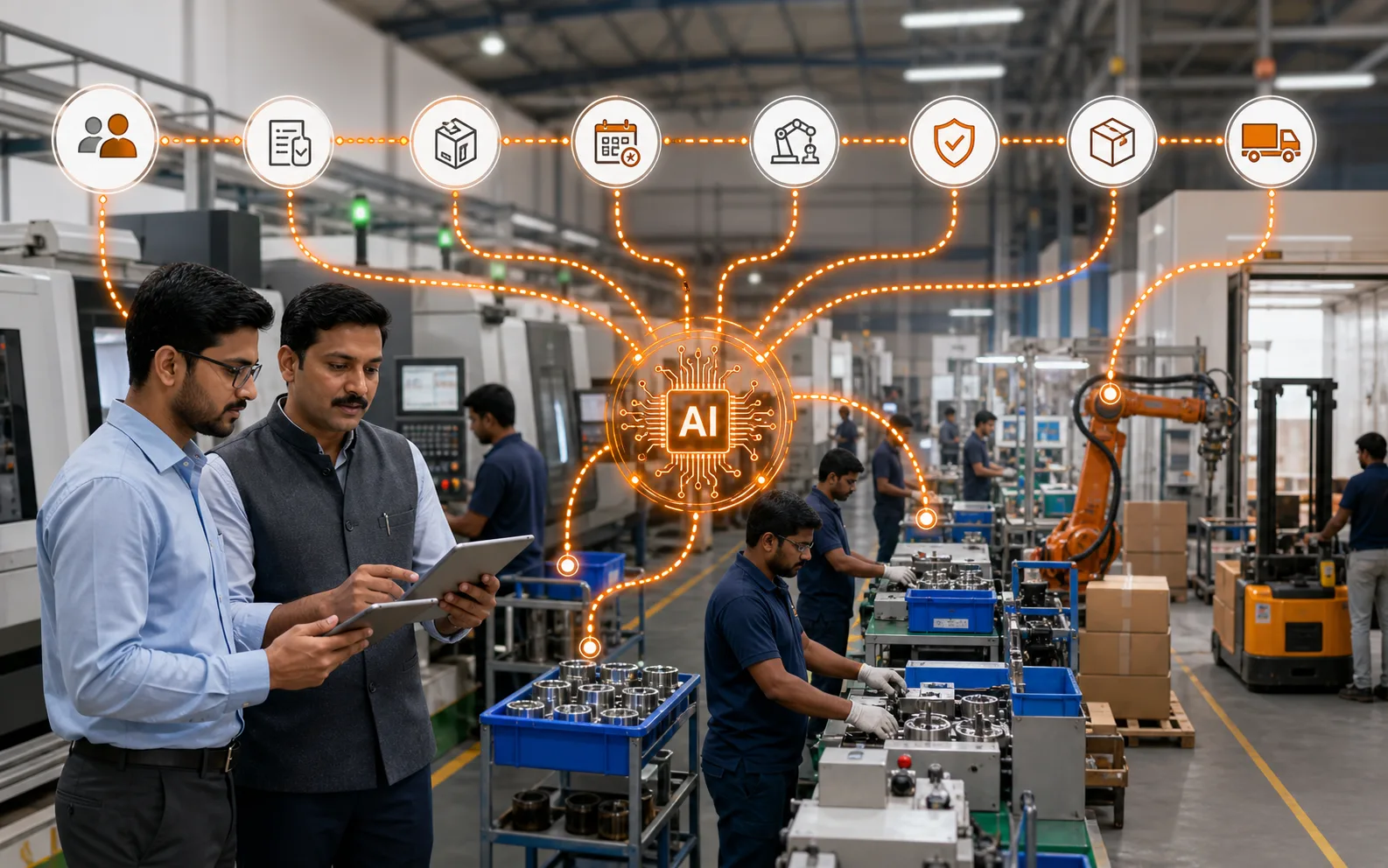
What's the Difference Between Machine Vision and Computer Vision?
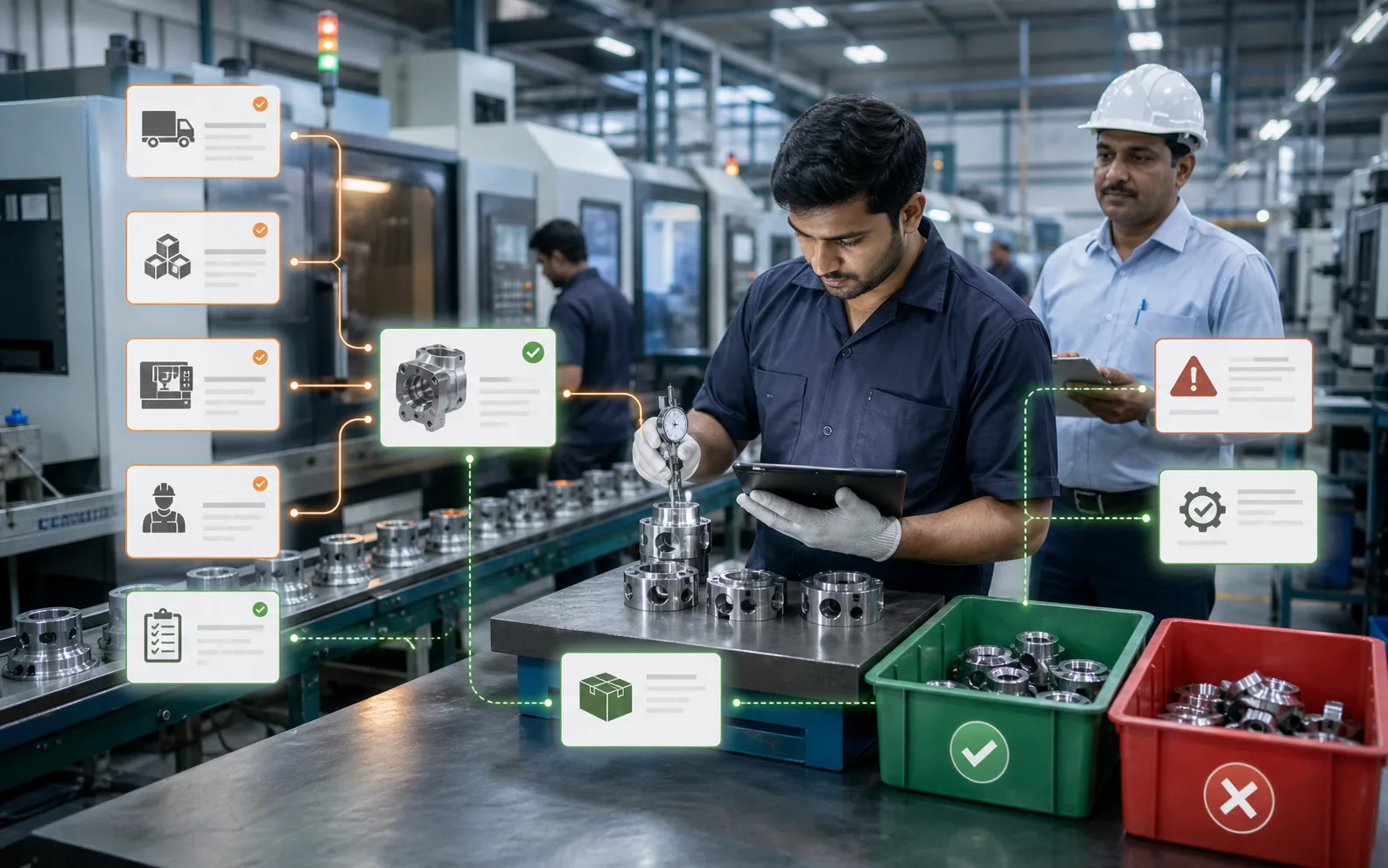
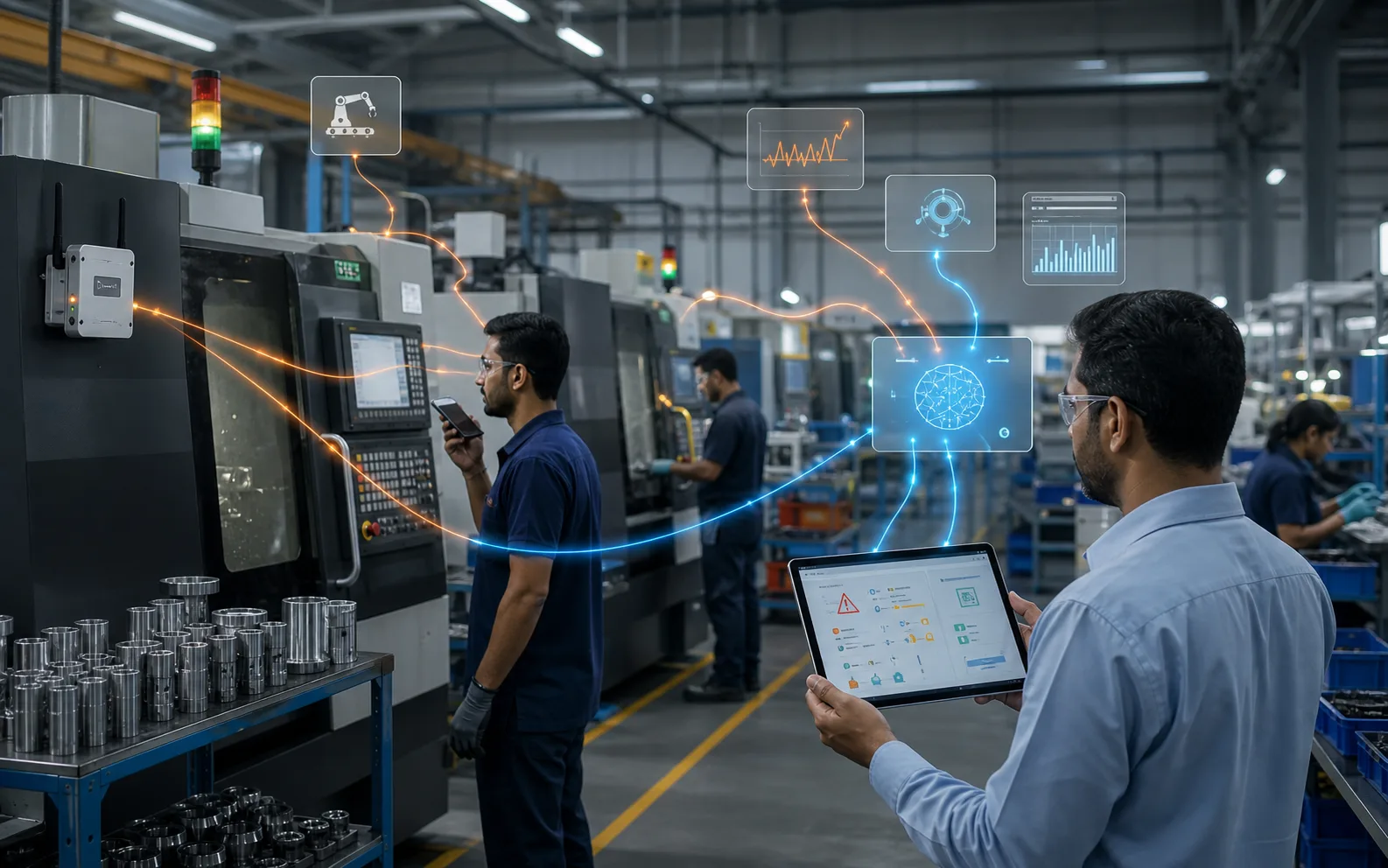
Understand the difference between machine vision and computer vision, how both apply in manufacturing, and what factory teams should know before investing.
Loading Optiwise
A structured blog experience powered by the local AICAN CMS, with rich publishing, search visibility, and editorial control without WordPress.

Filter blog posts
2013 posts available, showing 1705-1728

Understand the difference between machine vision and computer vision, how both apply in manufacturing, and what factory teams should know before investing.

Learn the GST registration process, documents, portal steps, common mistakes, and why clean business records matter before and after registration.

Industrial IoT in Manufacturing. Use a worked manufacturing test, explicit inputs and exception checks before rollout.

Learn capacity requirements planning for manufacturing, how it connects demand, resources, work centers, and production schedules, and how AICAN Optiwise supports better planning.

Learn how accounts payable automation helps manufacturers manage supplier invoices, PO-GRN matching, approvals, payment planning, and finance visibility.

ERP for Automotive Manufacturing. Use a worked manufacturing test, explicit inputs and exception checks before rollout.

Learn what a production management system is, how it works, key features, and why manufacturers need connected production visibility.

Hiring AI tools and hiring people serve different needs. AI is best for repetitive tasks, while people are best for judgment, empathy, leadership, and accountability.

Learn how AI helps predict equipment failures using maintenance logs, machine data, sensor readings, patterns, and alerts for manufacturing teams.

Learn mobile ERP for manufacturers, key use cases in purchase, inventory, production, approvals, dashboards, and how Optiwise supports faster factory decisions.

Compare tech careers in manufacturing and traditional tech companies, including stability, real-world impact, domain depth, AI opportunities, culture, and growth.

Explore ten practical digital tools manufacturers can use to improve production, inventory, purchase, sales, quality, finance, and management visibility.

Learn what production efficiency means, how to measure it, and how manufacturers can improve output, quality, cost, and delivery performance.

Understand procurement vs purchasing, how each works in manufacturing, and why strategic supplier management matters beyond issuing purchase orders.

Learn how manufacturers can estimate savings from automation sensors across downtime, labor, maintenance, energy, quality, and production planning.

Learn how ERP supports project management with budgets, procurement, material tracking, approvals, billing, cost control, and project-wise profitability.

Learn realistic AI production planning implementation timelines, including data preparation, workflow setup, training, go-live, and stabilization.

Learn what manufacturers should know about accounting software with inventory tracking, where it helps, where it falls short, and when ERP becomes necessary.

Avoid the most common ERP implementation mistakes small businesses make: poor data, unclear scope, weak training, over-customization, missing reports, and low adoption.

Shop floor management software cost depends on users, modules, implementation, integrations, customization, training, support, IoT, and AI features.

Learn how printing and packaging businesses should choose ERP software for job costing, material planning, production, wastage, QC, dispatch, and customer orders.

Learn how manufacturers can connect factory machines to ERP using controllers, PLCs, gateways, sensors, barcode scans, shopfloor terminals, and practical integration workflows.

Compare AI procurement software by workflow fit, quote comparison, PO automation, supplier intelligence, spend analytics, integrations, security, and support.

Small businesses can afford AI agents when they start with focused use cases, measure time savings, avoid tool overload, and automate repetitive work first.