
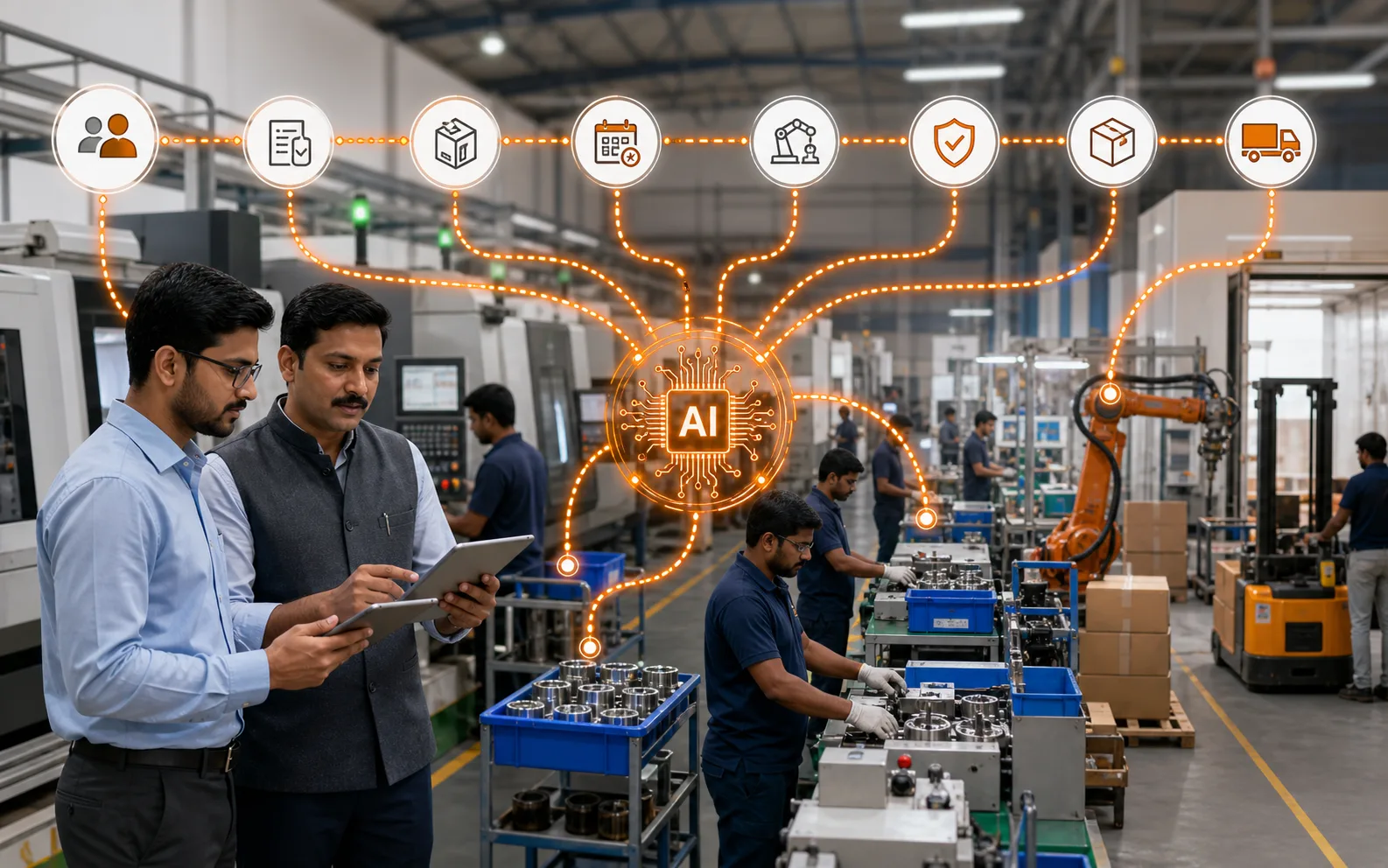
ERP & Digital Transformation
Conversion Cost | Optiwise
Learn conversion cost meaning, formula, examples, difference from prime cost, and how AICAN Optiwise helps manufacturers improve production cost visibility.
2 Apr 20264 min read
Loading Optiwise
A structured blog experience powered by the local AICAN CMS, with rich publishing, search visibility, and editorial control without WordPress.

Filter blog posts
2013 posts available, showing 337-360
Learn conversion cost meaning, formula, examples, difference from prime cost, and how AICAN Optiwise helps manufacturers improve production cost visibility.
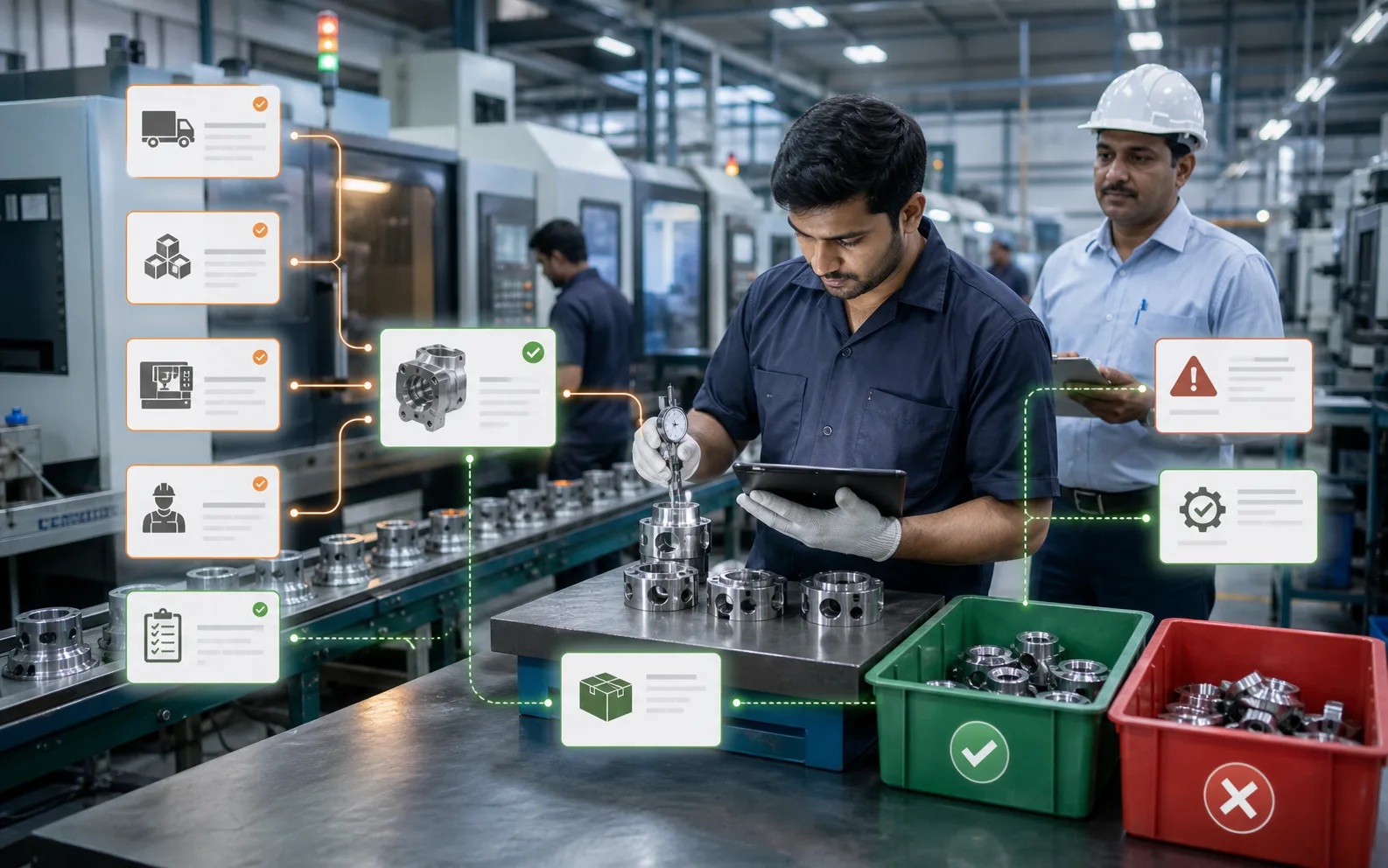
Learn how manufacturers can begin with one computer vision camera, prove value, and scale later across lines, products, plants, dashboards, and quality workflows without rework.

Learn what batch picking means, how it improves warehouse efficiency, when it works best, and how ERP helps manufacturers control picking, packing, and dispatch.
AI helps manage multiple supplier relationships by tracking performance, risk, pricing, lead times, communication, and dependency across vendors.
Compare Optiwise with SAP Business One. Connect manufacturing execution, inventory, purchasing, AI and custom workflows for your factory.
A detailed guide to inventory management tools for manufacturers: Excel, barcode systems, ERP, AI dashboards, must-have features, mistakes to avoid, and how Optiwise helps MSMEs control stock.
Plan a manufacturing ERP cutover with a transaction boundary, timed rehearsal, stock/WIP reconciliation, go/no-go criteria and controlled recovery records.
Learn why production schedules slip in manufacturing and how factory floor visibility helps identify bottlenecks, material shortages, capacity gaps, QC delays, and planning issues.

Learn how assemble-to-order works, where it fits manufacturing, its benefits, risks, planning needs, and how ERP supports faster customer delivery.

Understand business efficiency in manufacturing, how to measure it, where SMEs lose time and money, and how AICAN Optiwise improves daily operating control.
Learn how manufacturers use machine learning with IoT data for predictive maintenance, quality insights, energy optimization, demand planning, anomaly detection, and productivity improvement.
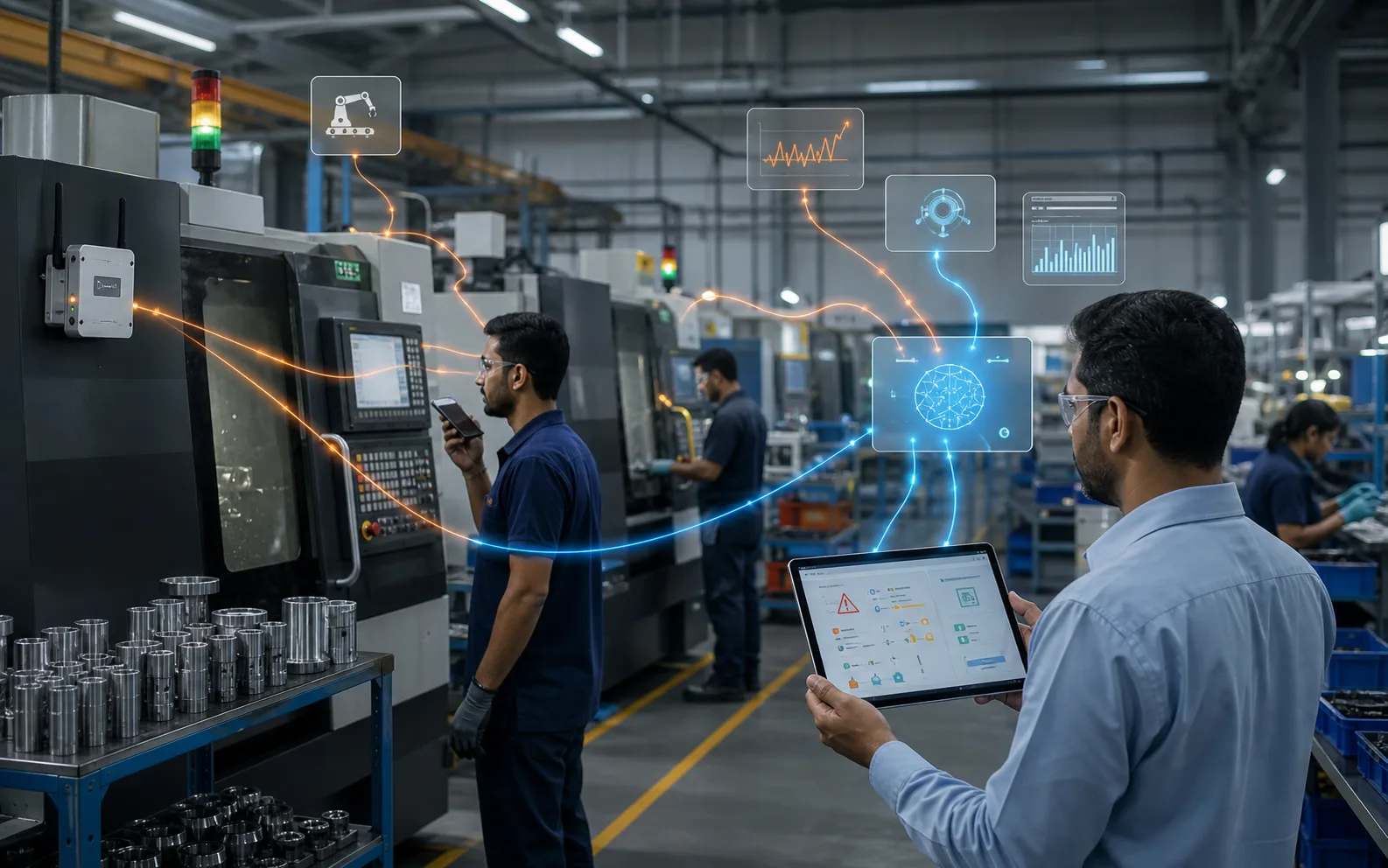
Understand why AI still needs people for context, judgment, ethics, accountability, creativity, trust, safety, and real-world execution.
Learn what inventory records are, why they matter in manufacturing, key records to maintain, common mistakes, and how Optiwise helps keep stock data accurate and audit-ready.
Learn how manufacturers can track quality issues in real time using shop floor checks, defect capture, quality holds, rejection reports, and connected ERP visibility.
Learn how plastic factories monitor machine health using maintenance history, breakdown data, runtime, alarms, downtime reasons, mold impact, IoT signals, and ERP dashboards.
Start your small factory in Optiwise with ₹0 implementation. Follow a partial receipt into production and budget for your users, subscription and optional tools.
Understand the most common ERP implementation challenges, from unclear scope and poor data to weak training, resistance, customization, and go-live pressure.
Learn manufacturing production software features, benefits, selection checklist, implementation tips, and how Optiwise improves production, WIP, quality, and dispatch visibility.
Learn what distribution management means, why it matters for manufacturers, and how AICAN Optiwise helps manage stock, orders, dispatch, dealers, and delivery visibility.
Learn five common production planning challenges manufacturers face and how ERP can help improve material readiness, capacity visibility, scheduling, and delivery reliability.
Learn how IoT improves injection molding operations through live machine visibility, cycle time tracking, downtime alerts, mold monitoring, rejection analysis, and ERP integration.
Learn the right KPIs to measure manufacturing AI success, including downtime reduction, reporting speed, inventory accuracy, scrap reduction, delivery reliability, and adoption.
Learn how IoT can affect factory electricity bills by revealing machine-wise energy use, idle consumption, peak demand, compressed air losses, and operating patterns.
Turn manufacturing ERP features into ten practical demo tests, covering BOM revisions, stock, job cards, partial receipts, permissions and exports.