
IoT, Automation & Industry 4.0
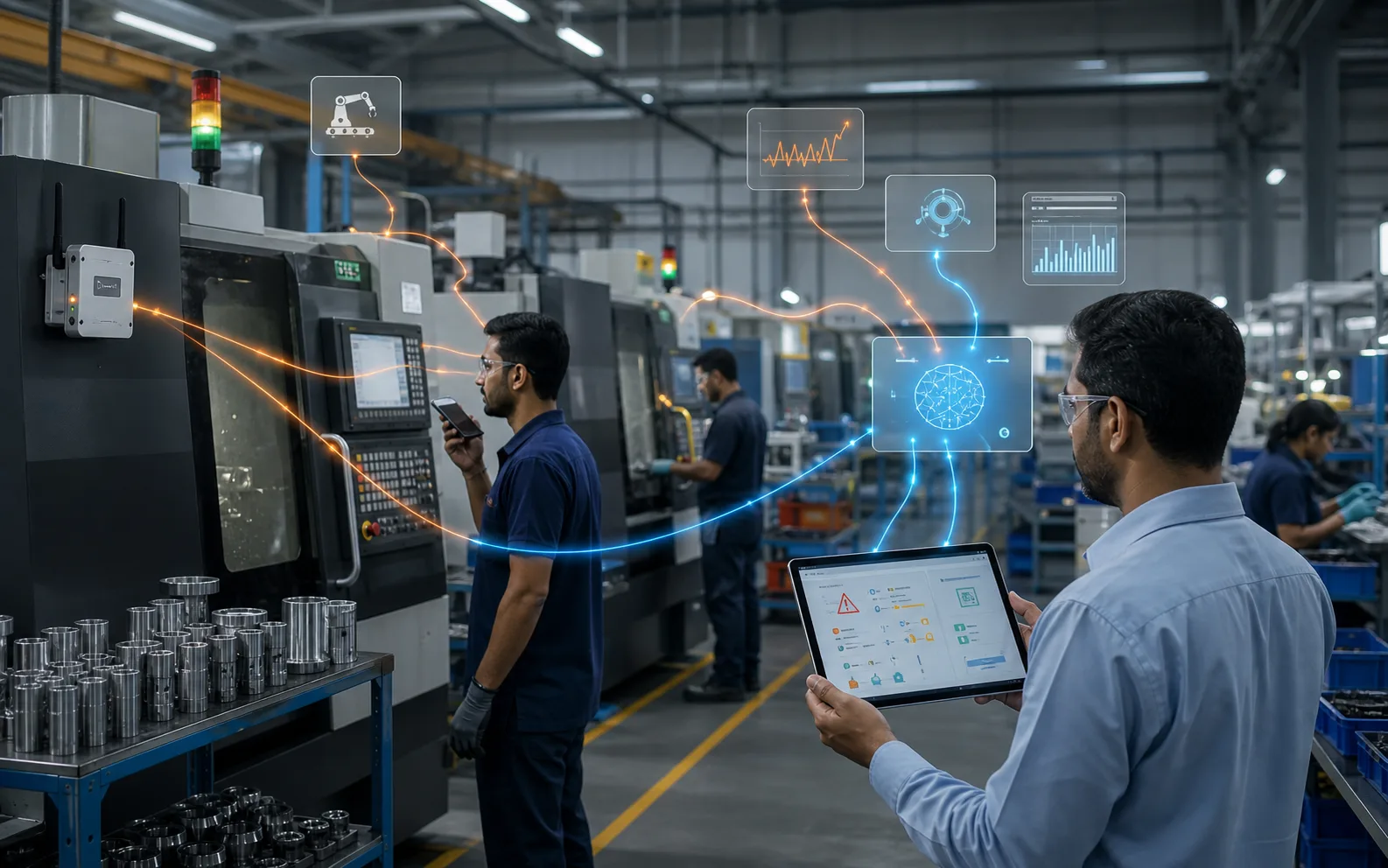
How Real-Time Is Factory IoT Data? Freshness, Delay and Stale-Signal Checks
Define factory IoT freshness from sensor sample to edge processing, upload, dashboard display and stale-signal warnings.
27 Mar 20262 min read
Loading Optiwise
A structured blog experience powered by the local AICAN CMS, with rich publishing, search visibility, and editorial control without WordPress.

Filter blog posts
2013 posts available, showing 361-384
Define factory IoT freshness from sensor sample to edge processing, upload, dashboard display and stale-signal warnings.

Learn realistic ERP implementation timelines for small businesses, what affects duration, and how MSME manufacturers can speed up setup without risking adoption.
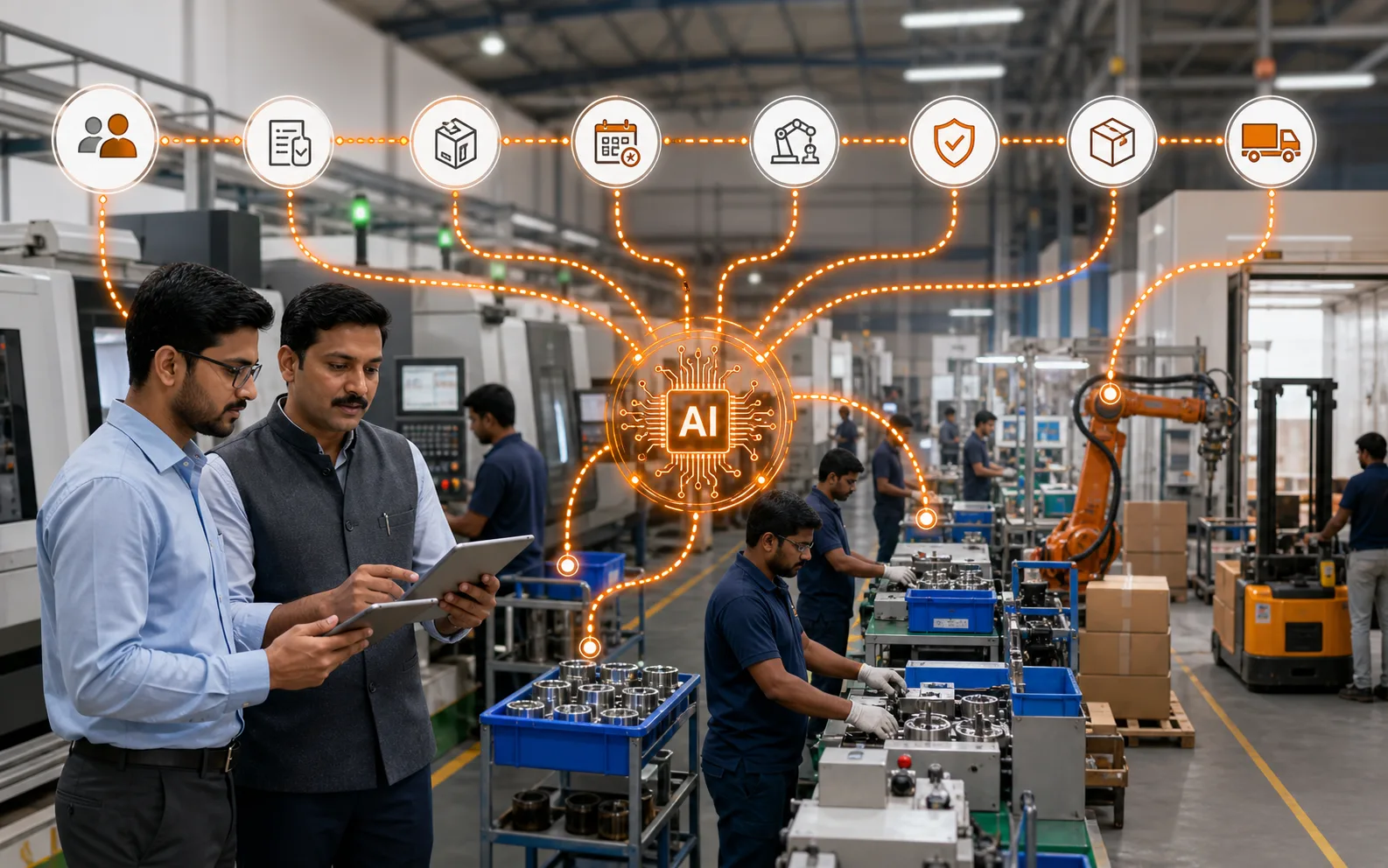
A practical checklist of questions manufacturers should ask before buying AI planning software, covering data, ROI, integrations, support, security, and adoption.

Learn how a sales and inventory management system connects orders, stock, dispatch, production, purchase, and reporting for better business control.
Learn how AI helps manufacturers manage supply chain issues, including supplier delays, inventory risk, demand changes, production impact, and dispatch reliability.
Learn whether AI is worth it for small manufacturers, where ROI appears, what use cases to start with, what risks to avoid, and how AI-enabled ERP helps.
Learn stock reconciliation meaning, process, common mismatch causes, examples, best practices, and how ERP helps SMEs improve inventory accuracy.
Learn how to read inventory cost reduction case studies responsibly and what real manufacturers usually improve: dead stock, reorder planning, accuracy, and cash flow.
Learn what direct costs are, how they differ from indirect costs, why they matter for product costing, and how Optiwise helps manufacturers improve cost visibility.
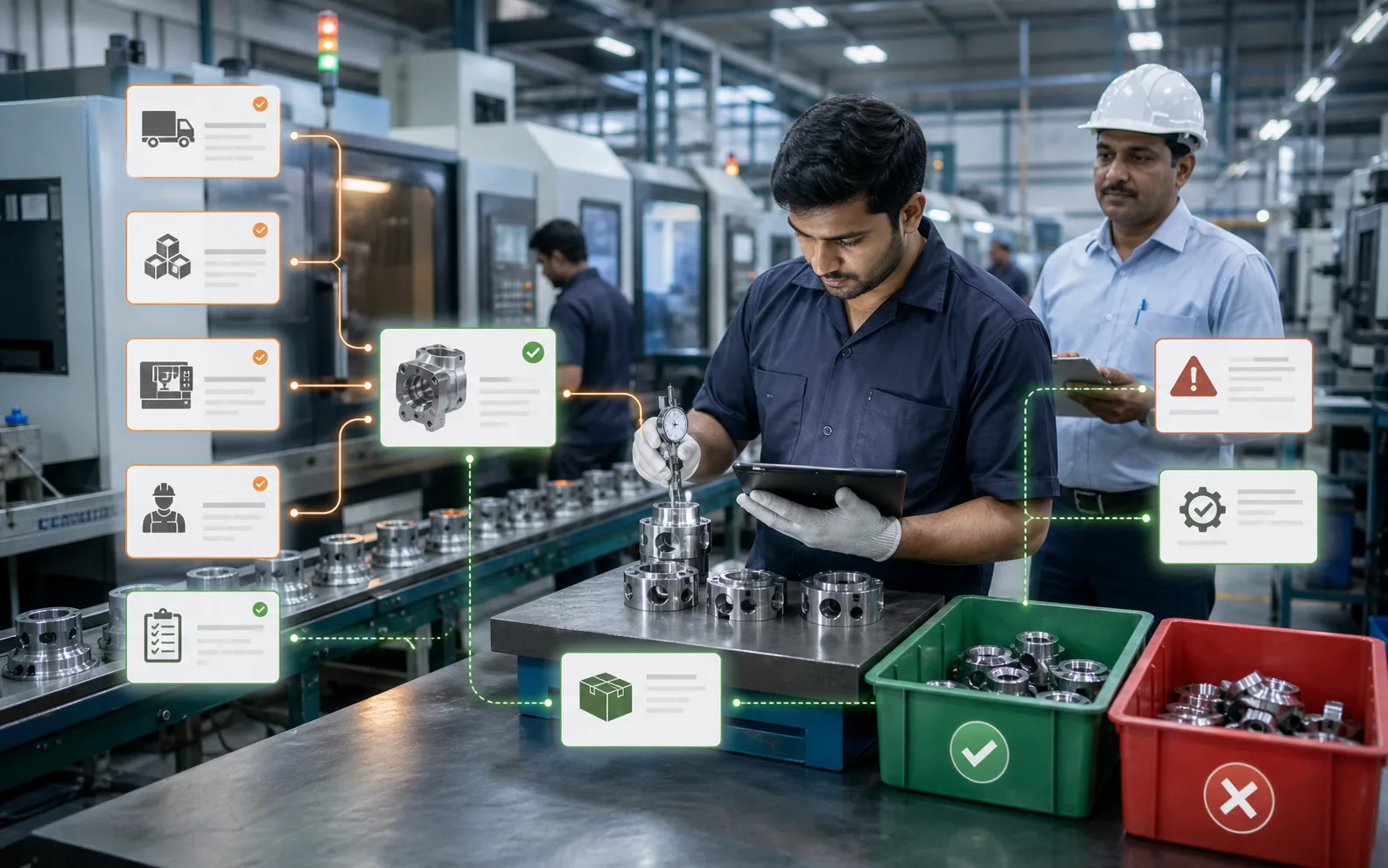
Learn what a GST return is, why manufacturers file GST returns, key return types, reconciliation needs, common errors, and how clean operations support compliance.
Learn realistic IoT implementation timelines for manufacturing, from pilot planning and sensor installation to dashboard setup, training, integration, and scale-up.
Learn why manufacturing can be a strong career path for software developers interested in ERP, automation, IoT, analytics, AI, and real-world systems.
Compare cloud ERP and on-premise ERP costs for small manufacturers, including subscription, servers, IT support, implementation, security, updates, and total cost of ownership.
Learn what GSTR-9 is, who may need to file it, preparation checklist, common issues, and how ERP helps businesses maintain clean annual GST records.
Learn what intermediate goods are, how they differ from raw materials and finished goods, and why tracking them matters for production and costing.
AI helps small businesses improve procurement by reducing manual work, comparing suppliers faster, tracking purchase orders, and improving buying decisions.
A degree helps for some manufacturing roles, but modern factories also value skills in machines, quality, digital tools, safety, maintenance, and problem-solving.
Learn how small businesses can implement ERP in phases to reduce risk, improve adoption, control cost, and build confidence before expanding modules.
Learn how small manufacturers can evaluate ERP options under $500/month, what features to expect, current low-cost examples, hidden costs, and when budget ERP is enough.
Learn how the cash conversion cycle works in manufacturing, why inventory and receivables matter, and how AICAN Optiwise helps SMEs improve cash flow visibility.
Understand the difference between net realizable value and fair value, when each concept is used, and how manufacturers can improve inventory and finance data quality.
Learn how inventory planning and control helps manufacturers balance material availability, production continuity, cash flow, reorder levels, WIP, and stock accuracy with Optiwise.

Digitize Factory Operations: Start With One Order and Its Exceptions. Use a worked factory scenario, explicit inputs and exception checks before rollout.
Calculate safety stock for manufacturing inventory with demand, supplier lead time and service assumptions. See when safety stock is not enough.