
Energy consumption of sensor systems
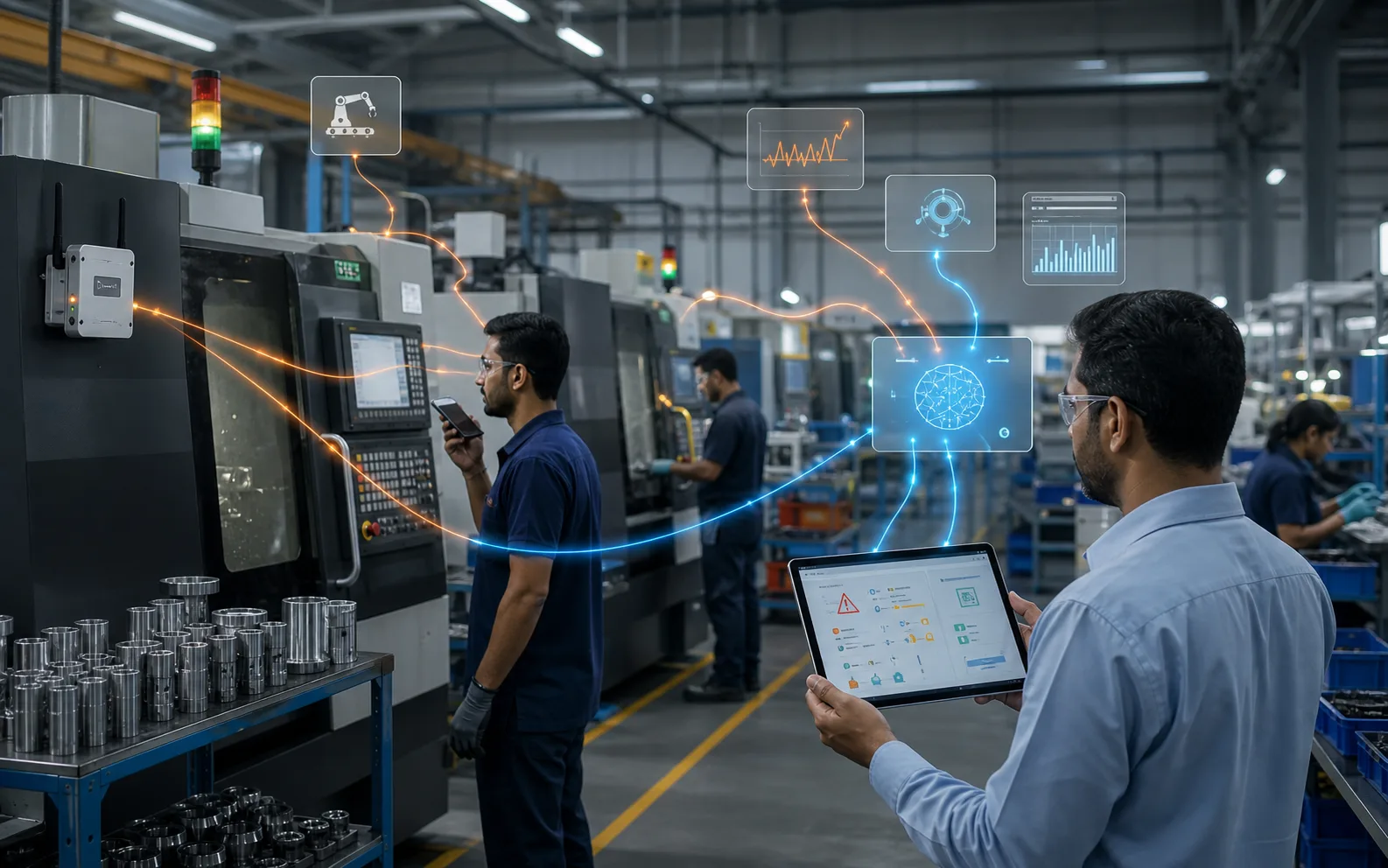
Understand how much energy sensor systems use, what affects consumption, and why the value of sensor data usually comes from the energy and waste it helps reduce.
Loading Optiwise
A structured blog experience powered by the local AICAN CMS, with rich publishing, search visibility, and editorial control without WordPress.

Filter blog posts
2013 posts available, showing 73-96

Understand how much energy sensor systems use, what affects consumption, and why the value of sensor data usually comes from the energy and waste it helps reduce.

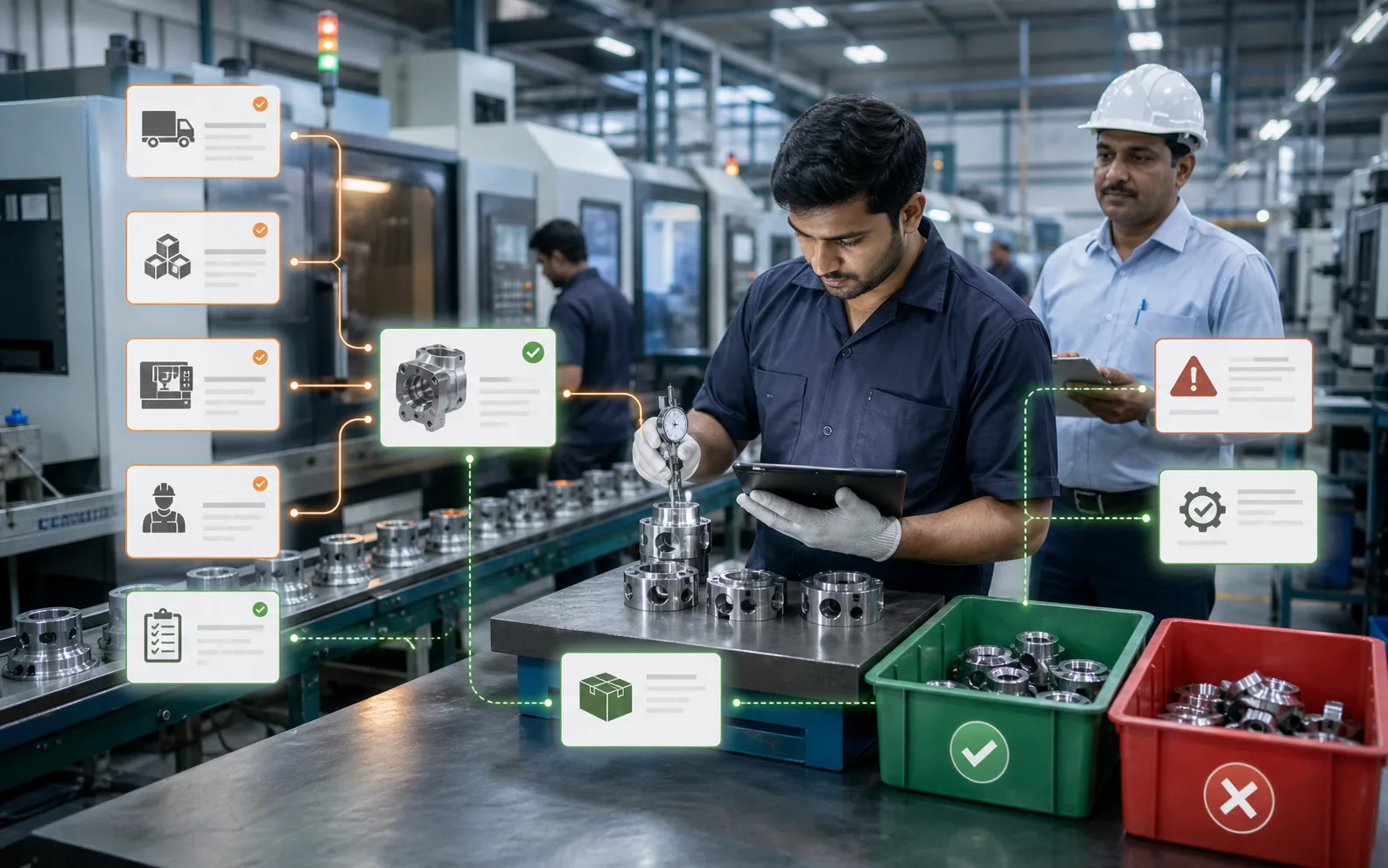
Explain quality-control sensors through measured property, tolerance, calibration evidence, sampling, false alerts and human disposition.

Learn when manufacturers can install sensors themselves and when an integrator is needed for safety, wiring, machine compatibility, data accuracy, and IoT dashboards.

Learn how to choose the best ERP for pharmaceutical manufacturing, with guidance on batch control, quality workflows, traceability, inventory, documentation, and GMP discipline.

A practical guide to calculating ROI from factory computer vision systems, including rework, scrap, labour, customer claims, downtime, dispatch errors, and better production decisions.

Learn how ERP supports ISO 9001 and AS9100 compliance through traceability, documentation, quality records, audits, supplier control, nonconformance, and process discipline.

AI-assisted service improves customer satisfaction when it is fast, accurate, transparent, personalized, and easy to escalate to humans.

Learn how to estimate the payback period for manufacturing IoT investments using downtime reduction, labor savings, energy control, quality improvement, and phased ROI planning.

Learn the risks of over-customizing ERP in manufacturing, including higher cost, slower implementation, upgrade issues, poor adoption, and process confusion.

Barcode vs QR Code for Manufacturing Inventory. Use a worked manufacturing test, exception checks and direct Optiwise workflow evidence before rollout.

Learn when small manufacturers should buy ERP now versus wait for a cheaper option. Understand cost of delay, implementation timing, hidden losses, and practical buying signals.

Plan AI production software cost with Optiwise ₹0 implementation, subscription scope, optional add-ons, IoT hardware and a like-for-like quote worksheet.

Learn the benefits of inventory management for SME manufacturers, including stock accuracy, lower working capital blockage, fewer stockouts, better production planning, and dispatch control.

Calculate closing stock with consistent units, reconcile a physical-count difference and keep raw material, WIP and finished goods in the right scope.

Plan one supervised manufacturing workflow with a clear scope, checked data, baseline measures, exception tests and evidence for deciding whether to expand.

Separate on-hand stock, commitments, inspection holds and incoming supply. Use a worked manufacturing example before promising quantity and delivery.

Compare manufacturing AI with hiring more workers and learn when automation, better systems, training, or additional people are the right answer.

Learn how automated inventory management systems help manufacturers improve stock accuracy, low-stock alerts, warehouse control, material planning, and reporting.

Review damaged, missing or obsolete stock with a practical evidence checklist. Separate physical disposition, write-downs and finance approval.

Plan factory capacity by machine, skill and shift with a weekly load view that makes overloads, setup time and planned stoppages visible before release.

Build an inventory carrying-cost worksheet with capital, storage, service and loss assumptions. Calculate the annual rate without double counting.

A practical look at how IoT platforms reduce avoidable labor waste in manufacturing by improving visibility, planning, maintenance, and shop-floor coordination.

Learn whether small manufacturers can afford enterprise ERP, what costs to expect, how to reduce risk, and how to choose ERP that fits without overbuying.

Compare order quantities, average stock and pallet space in a checked example. Account for delivery frequency, fixed rent and shortage risk.