
How Do I Track Raw Material Consumption in Fabrication?
Learn how fabrication companies can track raw material consumption, wastage, offcuts, scrap, job-wise issue, return, and actual costing using ERP.
Loading Optiwise
A structured blog experience powered by the local AICAN CMS, with rich publishing, search visibility, and editorial control without WordPress.

Filter blog posts
1959 posts available, showing 121-144

Learn how fabrication companies can track raw material consumption, wastage, offcuts, scrap, job-wise issue, return, and actual costing using ERP.

Understand what to look for in a GMP-supportive ERP for pharma manufacturing, including audit trails, batch records, access control, quality workflows, and validation readiness.

Learn how Optiwise helps manufacturers manage credit notes, debit notes, returns, rate differences, quantity differences, invoice corrections, accounts impact, and audit-ready records.

Learn how AI handles seasonal demand changes in production planning using historical trends, forecasts, inventory planning, capacity review, and supplier readiness.

A practical guide to GST returns for manufacturers, including GSTR-1, GSTR-3B, GSTR-9, GSTR-9C, composition returns, TDS/TCS returns, and reconciliation discipline.

A detailed guide to inventory management in Excel for manufacturers: useful templates, risks, formulas, common mistakes, and when to shift to Optiwise for live inventory control.

Learn when free inventory management software can help, what its limits are, and when growing businesses should move to ERP-based inventory control.

Learn how to generate an e-way bill, what data is needed, common mistakes, and how ERP helps manufacturers prepare accurate dispatch and invoice records.

Learn how vision systems handle colour variation in manufacturing, including lighting control, colour calibration, tolerances, material variation, camera setup, and quality workflows.

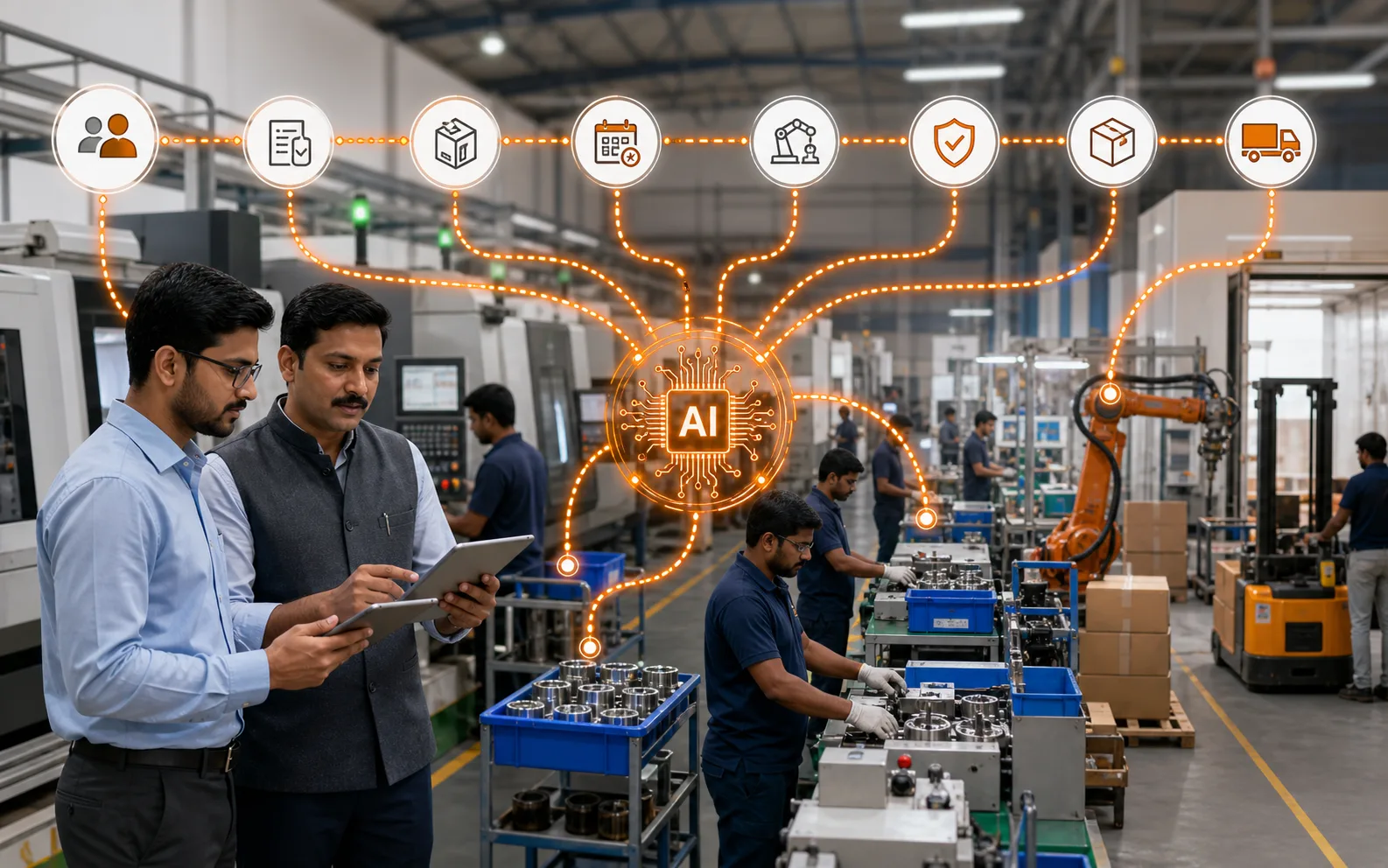
Learn how manufacturers can think beyond generic ERP and move toward an AI-ready factory operating system for production, inventory, purchase, finance, and reporting.

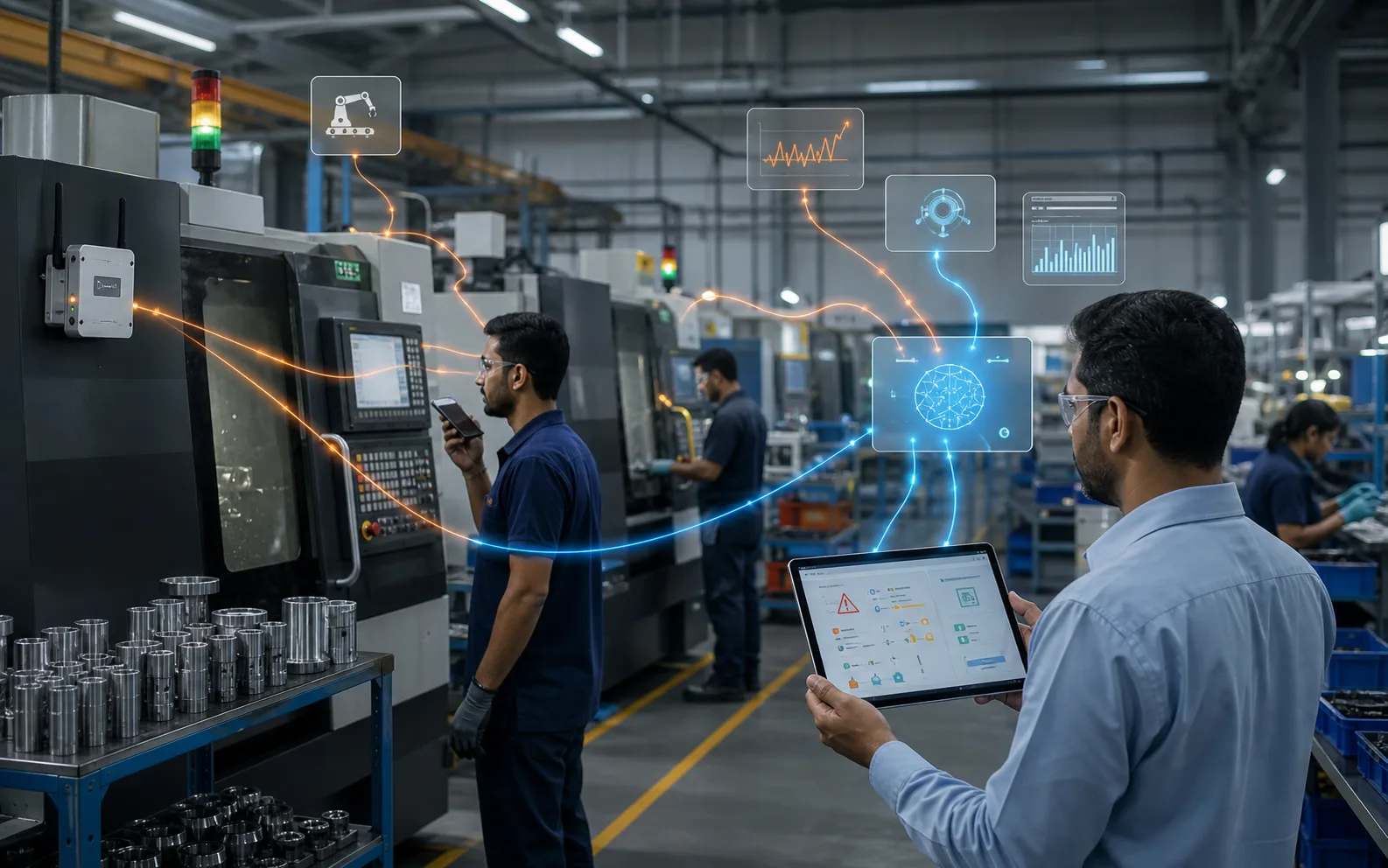
Avoid common manufacturing IoT implementation mistakes, including unclear goals, poor data quality, overengineering, weak training, bad dashboards, ignored operators, and poor integration.

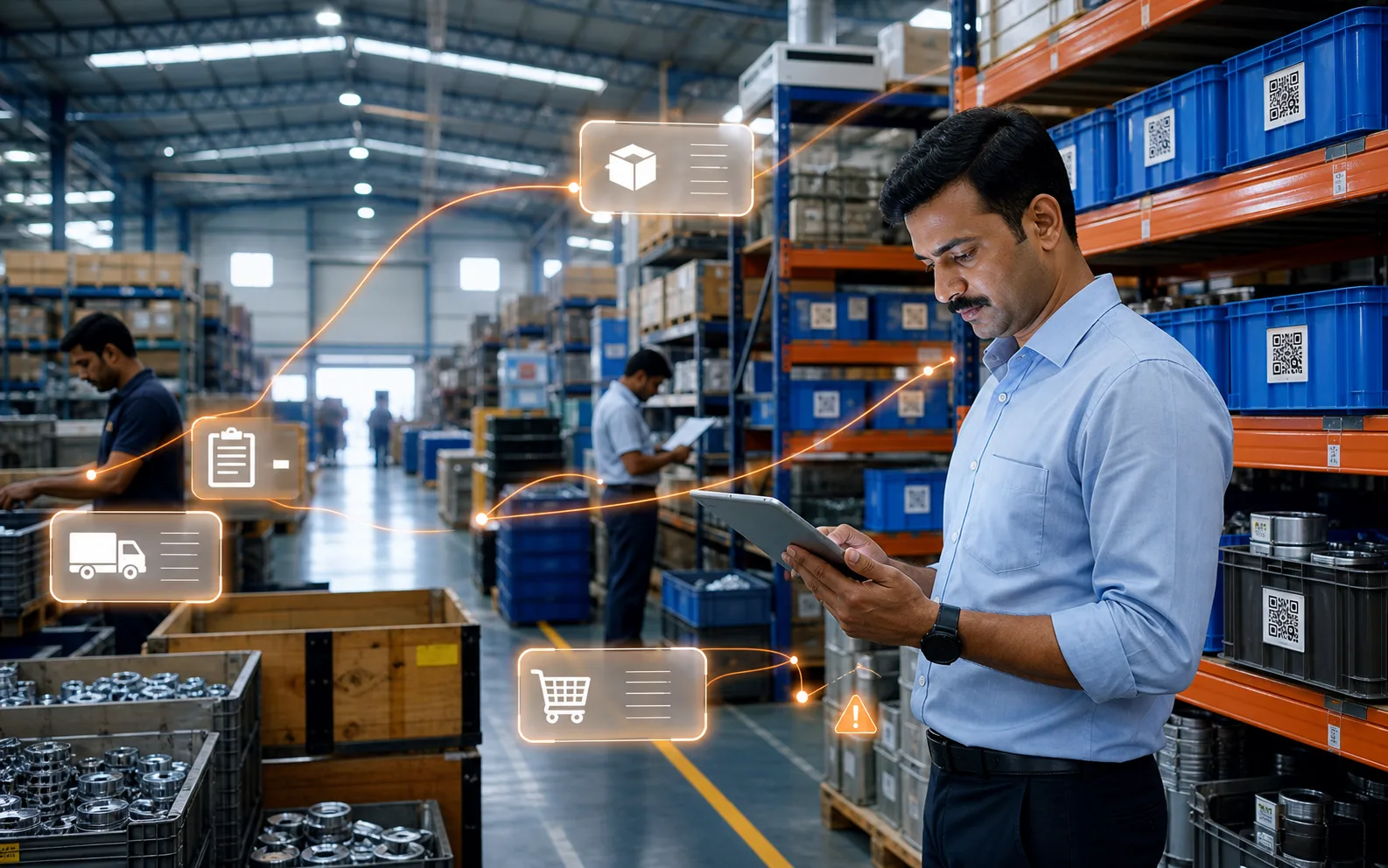
Understand the difference between inventory control and inventory management, and why manufacturers need both for stock accuracy, planning, and working capital.

AI can help optimize production for different customer locations by considering demand, delivery timelines, inventory, capacity, routes, and priority orders.

Learn how factories should handle conflicts between AI recommendations and manager decisions without weakening accountability, trust, or production control.

Understand GST invoices, required details, common mistakes, e-invoice readiness, and how ERP helps manufacturers create accurate billing and tax records.

Learn which jobs will continue to need humans despite AI: roles involving judgment, trust, physical skill, safety, leadership, creativity, and accountability.

Understand batch production, how it works, where it fits, common planning problems, and how ERP helps SME manufacturers control batches, inventory, QC, and costing.

Understand VED analysis for inventory management, how vital, essential, and desirable items are classified, and how manufacturers can use it to protect uptime.

AI can support supplier negotiations with data, price history, and risk insights, but complex negotiation still needs human judgment and relationship context.

Learn the difference between debit note and credit note, when each is used under GST, and how manufacturers can manage corrections clearly in Optiwise.

Learn how manufacturers can integrate ERP with accounting, machines, IoT, CRM, barcode systems, quality tools, spreadsheets, and other factory software without creating chaos.

Learn what an item master is, why it matters in manufacturing, key fields to maintain, common mistakes, and how Optiwise helps keep item data clean and usable.

Inventory software cannot remove every supply chain risk, but it can help manufacturers predict shortages, act earlier, and reduce disruption impact.

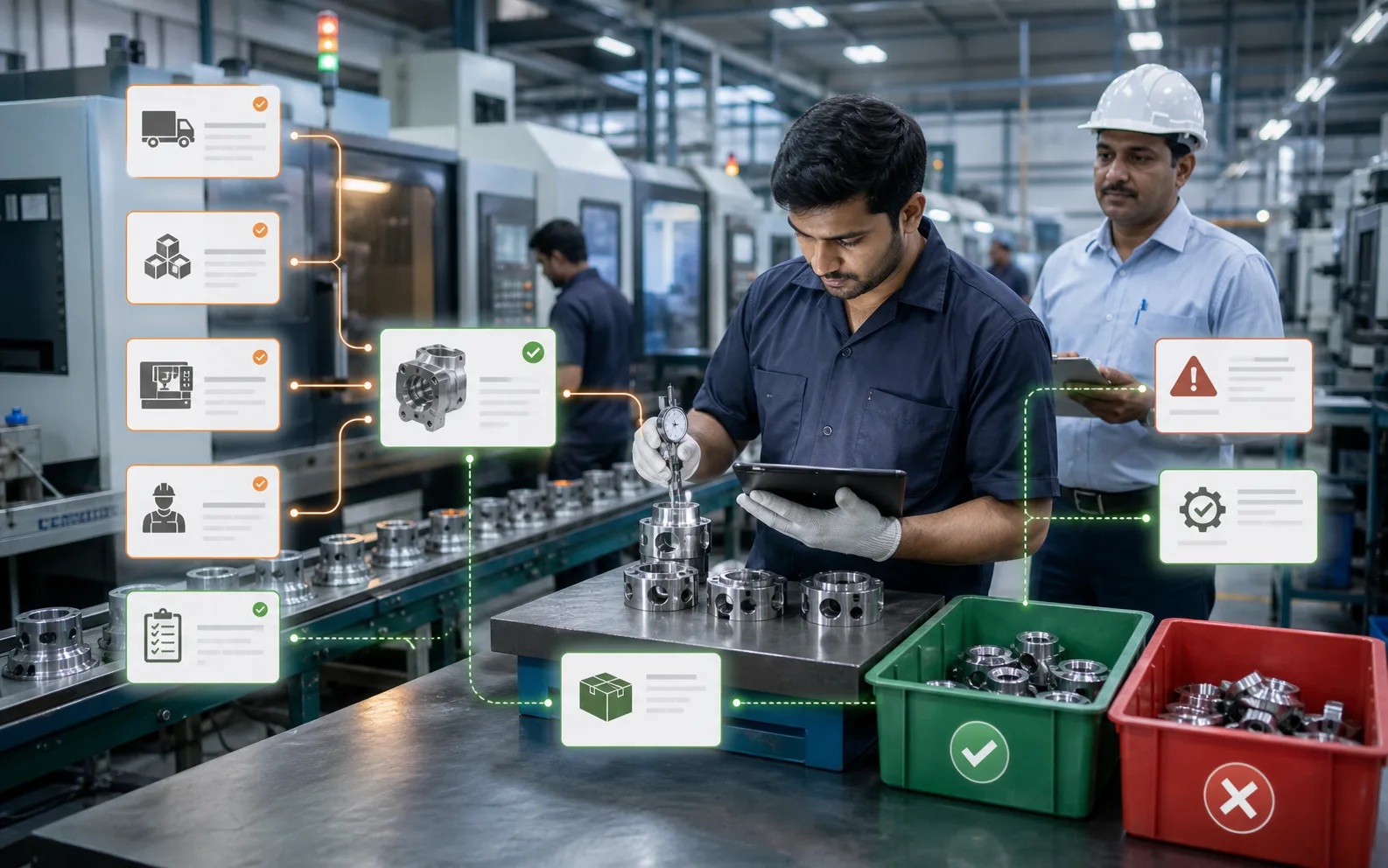
Learn how IoT improves quality control by connecting inspection data, batch traceability, machine conditions, process parameters, and corrective action.