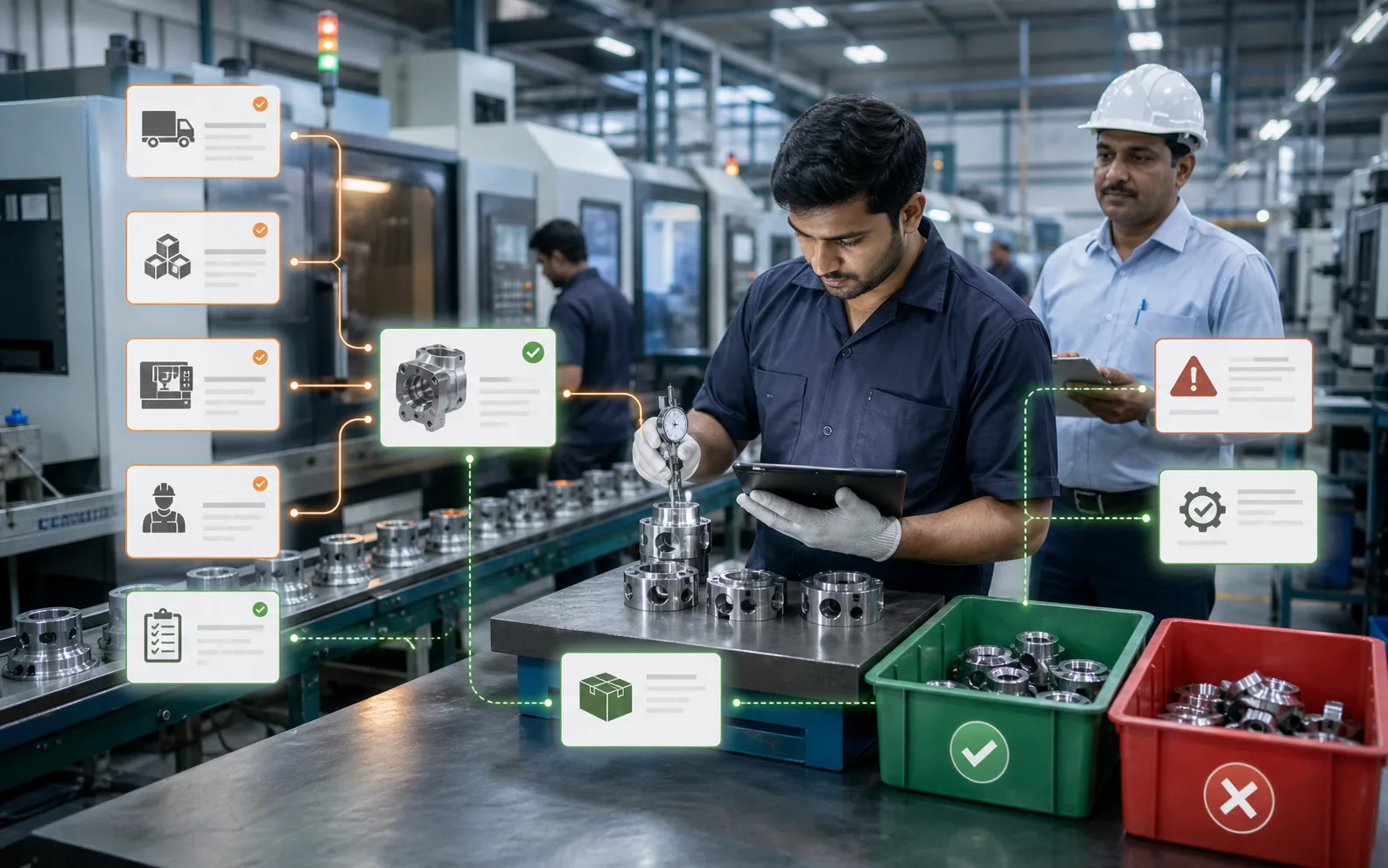


How Does AI Predict and Prevent Manufacturing Problems?
Learn how AI predicts and prevents manufacturing problems using data patterns, alerts, maintenance signals, inventory risk, quality trends, and workflow visibility.
Loading Optiwise
A structured blog experience powered by the local AICAN CMS, with rich publishing, search visibility, and editorial control without WordPress.

Filter blog posts
2013 posts available, showing 169-192

Learn how AI predicts and prevents manufacturing problems using data patterns, alerts, maintenance signals, inventory risk, quality trends, and workflow visibility.

Calculate average inventory from two points or repeated balances. See why a stock spike is missed, and keep quantity averages separate from value ratios.

Understand digital twins in manufacturing, how they use IoT data, and when factories should consider them for planning, maintenance, quality, and productivity.

AI agents can support employee onboarding with checklists, policy answers, document reminders, training guidance, and HR escalation workflows.

Explore new jobs AI may create, especially in manufacturing: AI operations, data quality, workflow design, automation maintenance, AI training, and process intelligence roles.

Learn how ERP supports manufacturers with multiple locations, plants, warehouses, stock transfers, production visibility, purchase control, reporting, and role-based access.

Reconcile issued bar or sheet material, usable remnants, good parts and losses with a checked 6,000 mm cutting example and a practical job record.

Understand what to look for in a GMP-supportive ERP for pharma manufacturing, including audit trails, batch records, access control, quality workflows, and validation readiness.

Learn how Optiwise helps manufacturers manage credit notes, debit notes, returns, rate differences, quantity differences, invoice corrections, accounts impact, and audit-ready records.

Learn how AI handles seasonal demand changes in production planning using historical trends, forecasts, inventory planning, capacity review, and supplier readiness.

A practical guide to GST returns for manufacturers, including GSTR-1, GSTR-3B, GSTR-9, GSTR-9C, composition returns, TDS/TCS returns, and reconciliation discipline.

Build an Excel stock ledger with receipts, issues, returns and a checked closing balance. Use clear item, location and correction rules before adding automation.

Move from stock counts to connected factory work. Compare free inventory options and see how Optiwise links purchasing, inspection and production.

Learn how to generate an e-way bill, what data is needed, common mistakes, and how ERP helps manufacturers prepare accurate dispatch and invoice records.

Learn how vision systems handle colour variation in manufacturing, including lighting control, colour calibration, tolerances, material variation, camera setup, and quality workflows.

Learn how manufacturers can think beyond generic ERP and move toward an AI-ready factory operating system for production, inventory, purchase, finance, and reporting.

Avoid common manufacturing IoT implementation mistakes, including unclear goals, poor data quality, overengineering, weak training, bad dashboards, ignored operators, and poor integration.

Assign receiving, counts and corrections separately from replenishment and excess-stock decisions. Includes an ownership matrix and two factory examples.

AI can help optimize production for different customer locations by considering demand, delivery timelines, inventory, capacity, routes, and priority orders.

Learn how factories should handle conflicts between AI recommendations and manager decisions without weakening accountability, trust, or production control.

Understand GST invoices, required details, common mistakes, e-invoice readiness, and how ERP helps manufacturers create accurate billing and tax records.

Learn which jobs will continue to need humans despite AI: roles involving judgment, trust, physical skill, safety, leadership, creativity, and accountability.

Plan three 400-unit batches with material lots, changeovers, production records, quality results and a complete quantity reconciliation.

Classify factory spares as vital, essential or desirable using stockout consequence, substitutes, recovery time, evidence and a named review owner.