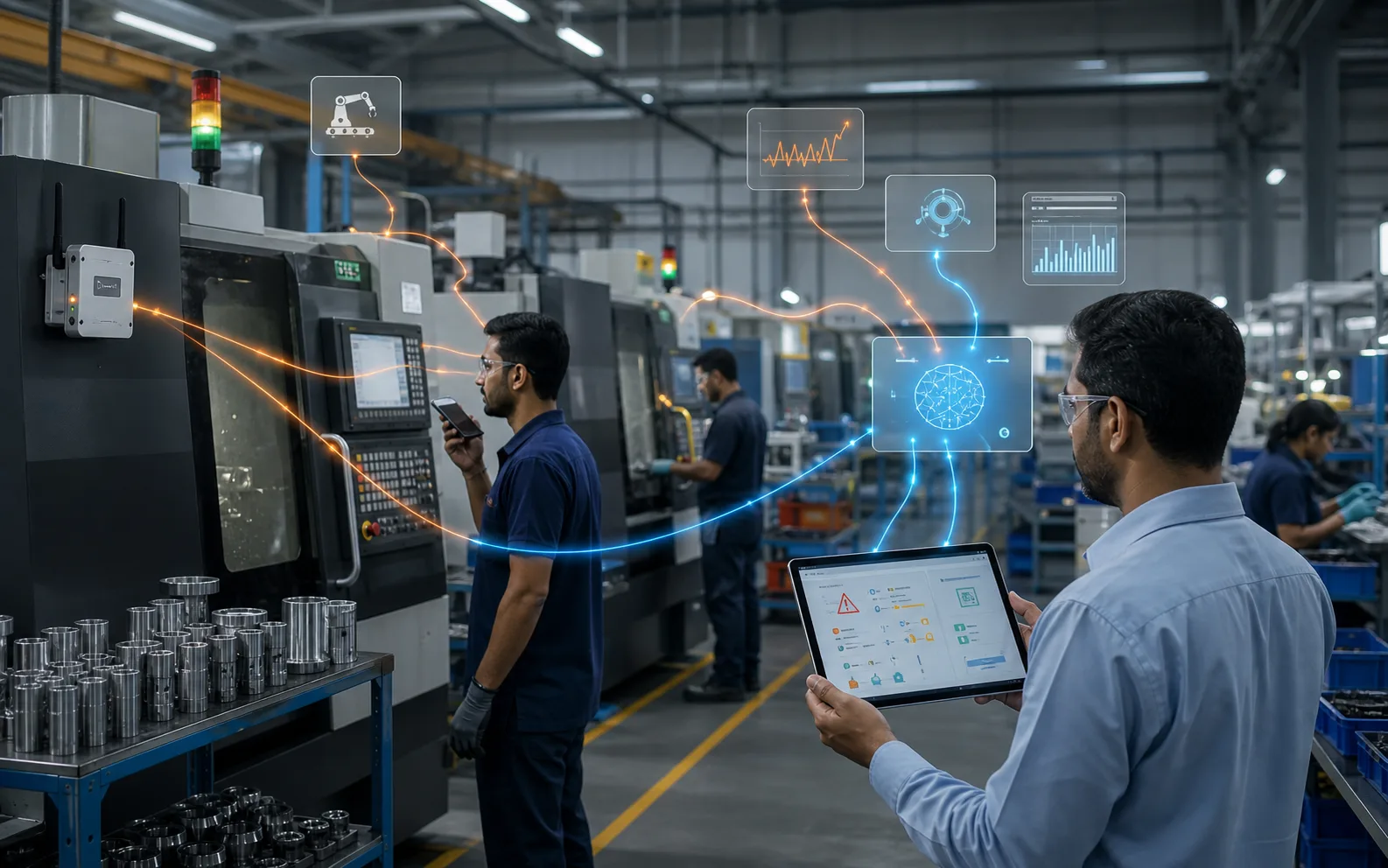


Inventory Software for Manufacturers: Seven Workflow Tests That Expose Gaps
Inventory Software for Manufacturers: Seven Workflow Tests That Expose Gaps. Use a worked factory scenario, explicit inputs and exception checks before rollout.
Loading Optiwise
A structured blog experience powered by the local AICAN CMS, with rich publishing, search visibility, and editorial control without WordPress.

Filter blog posts
2013 posts available, showing 289-312

Inventory Software for Manufacturers: Seven Workflow Tests That Expose Gaps. Use a worked factory scenario, explicit inputs and exception checks before rollout.

A practical guide for manufacturers deciding which ERP features are essential, which are optional, and how to avoid overbuying or overcomplicating implementation.

Learn seven ERP features SMEs should evaluate, including cloud access, inventory, purchase, production, finance integration, dashboards, and implementation support.

Use an ERP implementation checklist with owners, evidence and go/no-go criteria for scope, data, configuration, trials, cutover and early support.

Learn how ERP supports manufacturing cost optimization through inventory control, purchase discipline, production visibility, waste reduction, and better reporting.

How to Digitize a Factory. Use a worked manufacturing test, exception checks and direct Optiwise workflow evidence before rollout.

Learn how MSME manufacturers can move from manual or standalone accounting to ERP-based accounting with clean masters, opening balances, inventory links, approvals, and finance controls.

Learn why teams resist ERP software, how MSME manufacturers can reduce resistance, and what practical adoption steps make ERP easier for sales, purchase, stores, production, and finance users.

Learn what ERP vendor support should include for small manufacturers: implementation, training, migration, go-live help, bug fixes, updates, support channels, and change requests.

Learn how manufacturing companies find and hire software talent for ERP, automation, analytics, IoT, support, and digital transformation roles.

Use Optiwise AI to answer order and stock questions, make entries and support supplier decisions inside one connected manufacturing system.

Learn what manufacturers should expect after ERP go-live, including stabilization, user adoption, reporting cleanup, support, workflow improvements, and phased expansion.

AI can help predict supplier performance by analyzing delivery history, quality issues, lead times, price changes, and risk signals for manufacturers.

Learn how automation improves inventory management through stock updates, reorder alerts, barcode or QR workflows, reporting, and ERP integration.

Learn five practical production planning tips for manufacturers to improve material readiness, scheduling, capacity use, delivery reliability, and team coordination.

Compare AI quality inspection and human inspection in manufacturing, including accuracy, consistency, judgement, cost, speed, and the best hybrid approach.

Learn how small manufacturers should evaluate free or trial ERP systems, what to test during a trial, and why fit, support, scalability, and implementation matter more than price alone.

Learn practical routing use cases for manufacturers, including operation sequencing, capacity planning, costing, shop floor control, and production tracking.

Learn what buffer stock means, why it matters for Indian manufacturers, how to calculate it, and how AICAN Optiwise helps teams avoid shortages without overstocking.

Learn how to build a practical business case for AI in manufacturing using cost of problems, focused pilots, ROI metrics, risk controls, and adoption planning.

Learn how ERP supports material handling businesses with inventory visibility, job tracking, purchase planning, service records, dispatch, and customer commitments.

Understand the real timeline for AI in manufacturing, from quick document pilots to ERP-connected AI, predictive maintenance, computer vision, and full rollout.

Learn what ERP system works best for job shops, custom manufacturers, machine shops, fabrication units, and make-to-order factories that need flexible production control.

Learn what raw materials inventory means, why it matters in manufacturing, how to manage it, and how ERP improves stock accuracy, planning, and cost control.