

What Can Actually Go Wrong With Factory Automation?
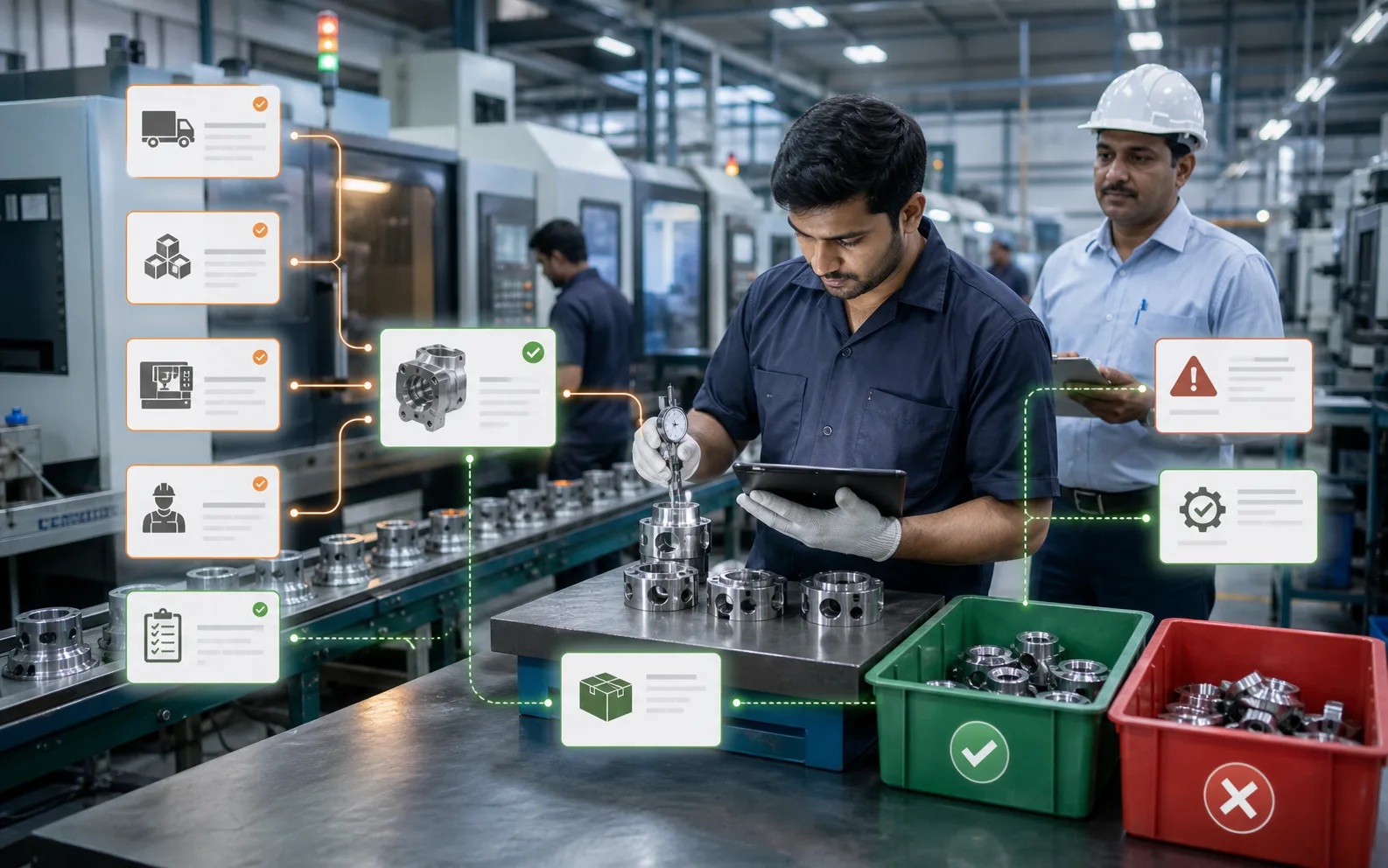
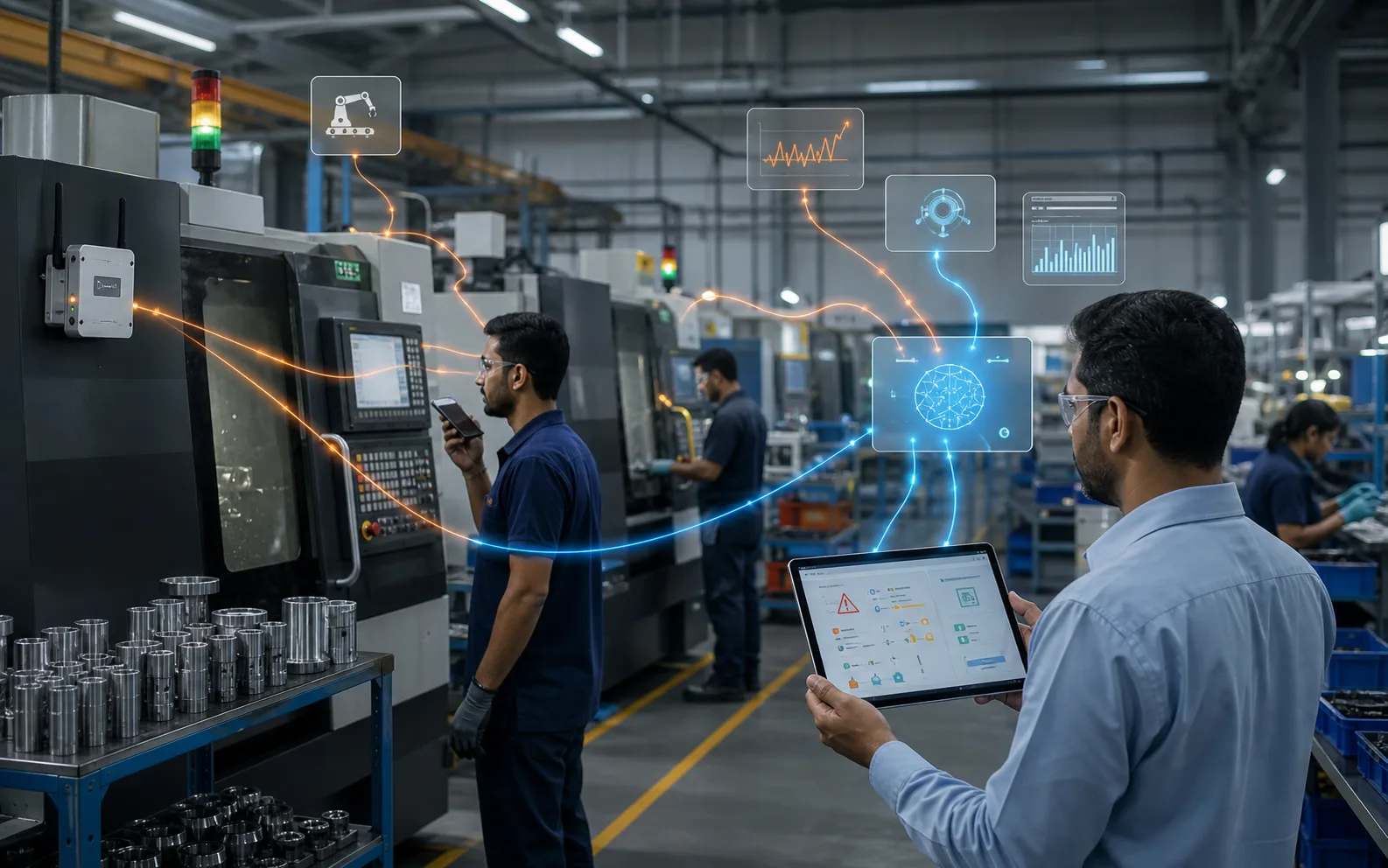
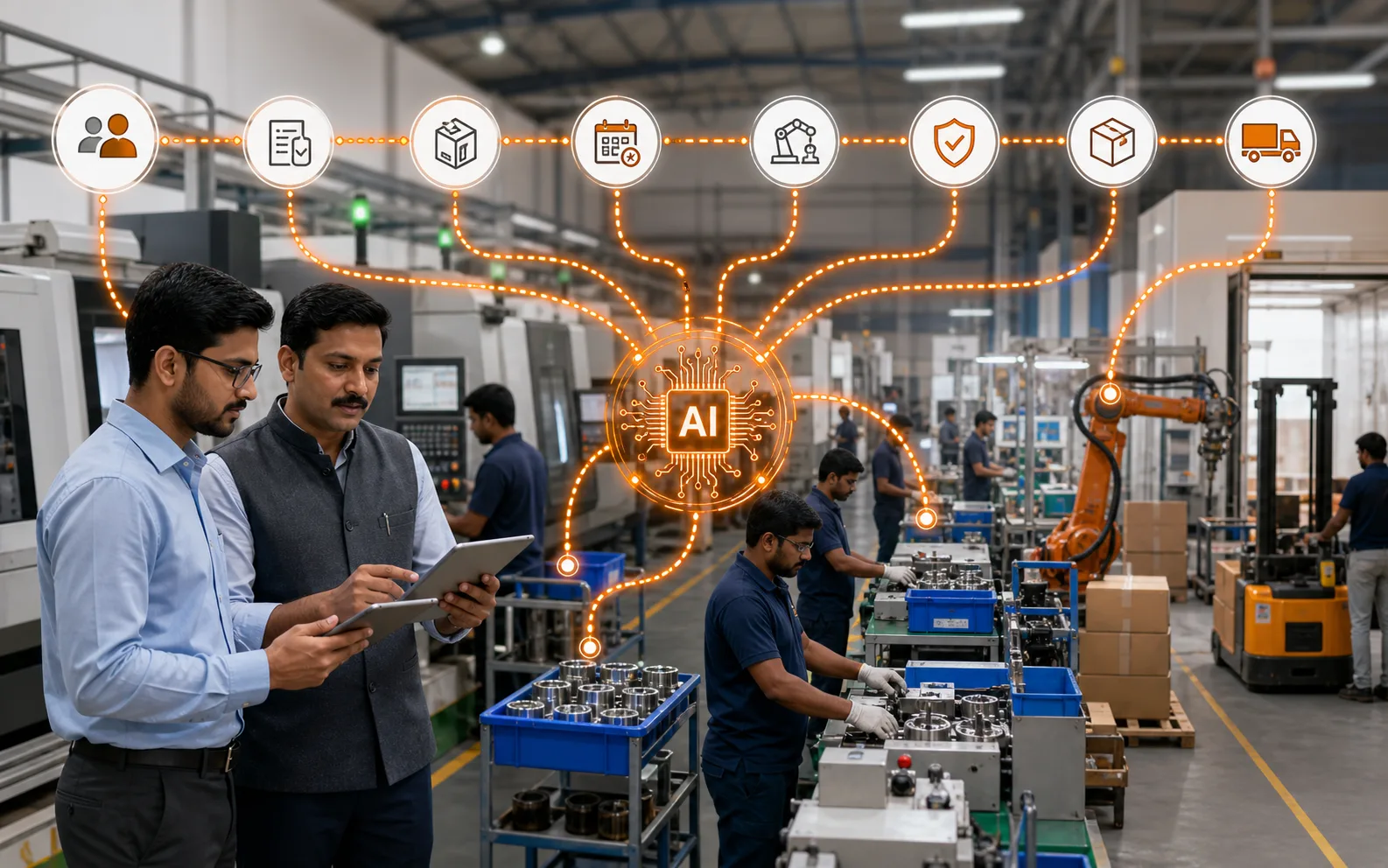
Factory automation can fail through poor data, weak training, downtime, bad integration, safety gaps, over-automation, and lack of human oversight.
Loading Optiwise
A structured blog experience powered by the local AICAN CMS, with rich publishing, search visibility, and editorial control without WordPress.

Filter blog posts
1959 posts available, showing 1033-1056

Factory automation can fail through poor data, weak training, downtime, bad integration, safety gaps, over-automation, and lack of human oversight.

A practical guide to real-time production dashboards for manufacturers, including planned vs actual output, downtime, WIP, quality, alerts, and ERP visibility.

A practical RFQ guide for manufacturing SMEs covering when to use RFQs, what to include, supplier comparison, quote evaluation, approvals, and ERP-based procurement control.

Explore remote tech jobs in manufacturing, including ERP, data, automation, support, implementation, and hybrid roles for software professionals.

Learn what supply chain means for manufacturing SMEs, key components, common challenges, and how ERP improves visibility across purchase, inventory, production, and dispatch.

Learn why the best time to learn AI skills is now, what to start with, and how practical AI fluency can protect and grow your career.

Learn how manufacturers can set smarter minimum stock levels using consumption, lead time, supplier reliability, criticality, and inventory cost.

Learn how AI helps identify production bottlenecks by analyzing machine capacity, WIP, downtime, material flow, quality holds, and dispatch delays.

Understand raw material, WIP, finished goods, MRO, safety stock, cycle stock, transit inventory, dead stock, and consignment inventory for manufacturers.

Learn what AI ERP means for Indian manufacturers, how it supports production, inventory, purchase, reporting, forecasting, alerts, and smarter decisions.

Learn just-in-case inventory strategy for manufacturers: meaning, examples, benefits, risks, comparison with JIT, and how Optiwise helps balance buffer stock and cash flow.

Learn how AI improves worker productivity in manufacturing by reducing manual reporting, improving instructions, speeding decisions, supporting training, and reducing rework.

Learn how manufacturers can track production costs in real time using material consumption, labor hours, machine time, downtime, scrap, rework, and ERP visibility.

Learn how manufacturers can get team buy-in for inventory software and process changes by addressing fear, workflow reality, training, and visible wins.

Practical steps to future-proof your career against AI by building domain expertise, digital fluency, judgment, communication, process thinking, and AI collaboration skills.

Learn how cashless transactions in India affect inventory management for manufacturers, including purchase traceability, vendor payments, stock records, compliance discipline, and Optiwise workflows.

Learn how manufacturers can retrain workers for AI-enabled jobs through role-based training, ERP skills, data discipline, digital workflows, and practical AI adoption.

Learn when manufacturers should adapt ERP to existing processes, when to change processes, and how to avoid copying inefficient workflows into a new ERP system.

Procurement professionals will need AI literacy, data analysis, supplier strategy, negotiation, risk management, and cross-functional manufacturing knowledge.

Learn how manufacturing startups can afford ERP on a limited budget by choosing phased rollout, essential modules, cloud deployment, clean data, and scalable workflows.

Learn how AI helps manufacturers manage multi-product planning across BOMs, capacity, priorities, changeovers, inventory, quality, and delivery commitments.

Learn what value added products are, why they improve margins, how manufacturers can develop them, and how systems like Optiwise support execution.

Understand the advantages and disadvantages of ERP for manufacturing businesses, including visibility, control, cost, implementation effort, adoption, and process discipline.

Learn factory data visualization best practices for production dashboards, including planned vs actual, WIP, downtime, quality, alerts, role-based views, and clean KPI design.